Lip piercing types offer a bold way to express individuality. They range from subtle to dramatic. Each style follows specific placement rules. Some sit on the upper lip. Others highlight the lower lip or corners of the mouth.
Moreover, choosing the right type depends on anatomy, lifestyle, and personal taste. Whether you want a classic stud or an edgy snake bite, there’s a fit for everyone. As popularity grows, so does variety. Today’s options blend tradition with modern flair. Understanding lip piercing types helps you make informed choices.
 Why People Choose Different Lip Piercing
One reason people pick certain lip piercing types is visibility. Some styles show clearly when talking or smiling. Others stay hidden unless you tilt your head. The level of attention matters to many wearers.
Another factor is cultural influence. Certain piercings carry meaning in specific communities. For example, the labret has roots in tribal traditions. Modern versions honor that history while adding new style.
Fashion trends also play a role. Celebrities and influencers showcase unique combinations. Fans follow suit. Snake bites and angel bites appear more often now than ever before.
Self-expression drives many decisions. A piercing can reflect mood, identity, or confidence. It becomes part of daily appearance. Some feel incomplete without it.
Pain tolerance varies too. Surface piercings may hurt less than deep ones. Knowing what to expect reduces fear. Preparation leads to better outcomes.
Healing time affects choice. Busy lifestyles need low-maintenance options. Others accept longer recovery for bigger impact. Realistic expectations help success.
Jewelry choice ties into selection. Studs, rings, and barbells work differently. Each changes how the piercing looks and feels. Compatibility matters.
Finally, symmetry appeals to many. Paired piercings balance facial features. Double snake bites create mirror images. Harmony increases visual appeal.
How Anatomy Influences Your Choice
Facial structure plays a big role in which lip piercing types work best. Thick lips handle larger jewelry well. Thin lips suit smaller studs. Proportions guide ideal placement.
The position of your teeth matters. Misaligned teeth might interfere with barbell movement. This causes gum wear or chipping. A skilled piercer checks alignment first.
Gum health is essential. If gums recede easily, avoid labrets or Monroe piercings. Constant contact damages soft tissue. Long-term oral care improves safety.
Lip shape affects symmetry. Uneven lips may require adjusted spacing. A trained artist marks exact spots. Precision prevents crooked healing.
Mouth size determines spacing. Small mouths need tighter placements. Wide gaps allow room for multiple piercings. Crowding leads to swelling issues.
Bite pattern influences risk. Overbites increase chance of hitting jewelry. Underbites shift pressure points. Awareness helps prevent injury.
Swelling potential varies by person. Some heal fast. Others react strongly. Medical history guides safe decisions. Always disclose past reactions.
Ultimately, a consultation ensures success. Bring ideas but stay open. Professionals suggest based on real conditions. Expert advice beats guesswork.
 Common Lip Piercing and Their Names
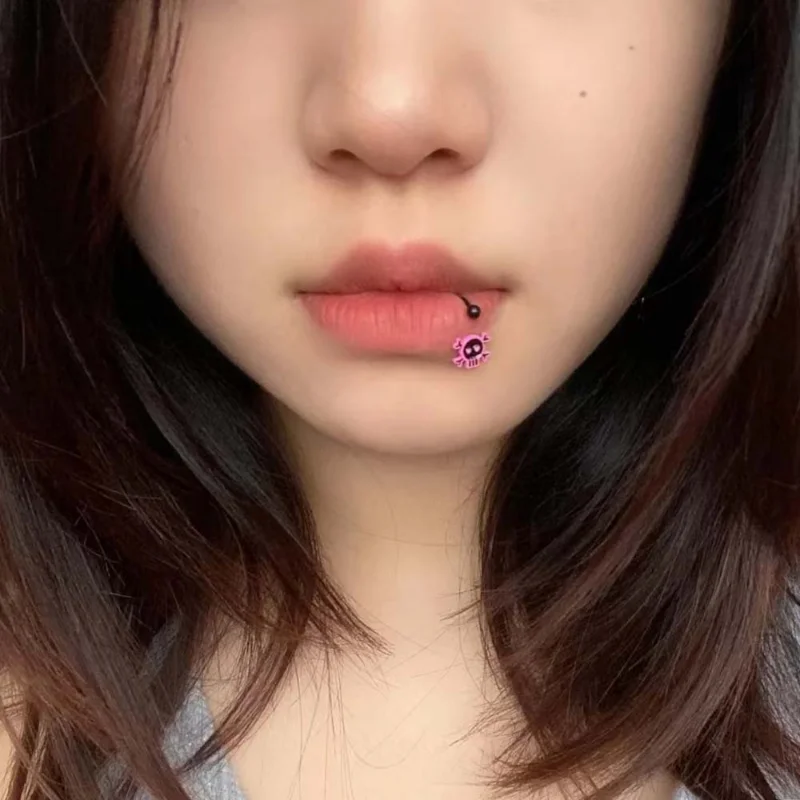
Several lip piercing types exist. Each has a name and standard location. Knowing them helps communication with piercers.
The labret sits below the lower lip. It goes through the center. Jewelry usually includes a flat back. This avoids rubbing inside the mouth.
The monroe mimics Marilyn Monroe’s beauty mark. It’s placed above the upper lip. Off-center on the left side. Looks like a natural spot.
The madonna is the opposite of the monroe. It appears on the right side. Still above the lip. Popular among those who love balance.
The medusa pierces the philtrum. That’s the dip just above the center of the upper lip. Uses small studs. Very noticeable during speech.
Snake bites come in pairs. Two piercings under the lower lip. One on each side of the center. Often symmetrical. Creates a bold look.
Angel bites mirror snake bites but on top. Two piercings above the lip. Less common due to tight space. Healing takes focus.
Dahlia combines snake and angel bites. Four total piercings. Forms a square around the mouth. Requires strong commitment.
Volcano piercings enter from below but exit at the top. These are rare. High risk of rejection. Only experienced studios attempt them.
Each name reflects style or origin. Use correct terms when researching. Clarity prevents confusion.
Where Each Type Is Placed on the Face
Placement defines each piercing. Exact spots vary slightly per person. Piercers measure carefully.
The labret goes centered under the lower lip. Not too high. Not too low. Avoids gum contact. Flat disc rests against inner skin.
Monroe piercings sit about 1 cm from the corner. Above the lip line. Matches natural dimples. Left side is traditional.
Madonna uses same rules but on the right. Balanced look across the face. Works well with makeup emphasis.
Medusa enters the philtrum groove. Centered between nostrils. Must align with nose and lips. Symmetry is key.
Snake bites place two studs under the lip. Equal distance from center. Usually 1.5 to 2 cm apart. Depends on lip width.
Angel bites go directly above the upper lip. Same spacing as snake bites. Rarely done alone. Often paired for effect.
Dahlia covers all four points. Connects snake and angel bites. Looks sharp when healed. Needs patience.
Frowny piercings are similar to labrets. But placed at the outer edges below the lip. Mimic downturned corners. Edgy vibe.
Cyber bites go through the upper lip. Positioned near canine teeth. Often used with grills. Urban fashion trend.
All positions affect healing. Areas near teeth take longer. Moisture and movement slow recovery. Follow aftercare strictly.
 Jewelry Options for Each Lip Piercing Type
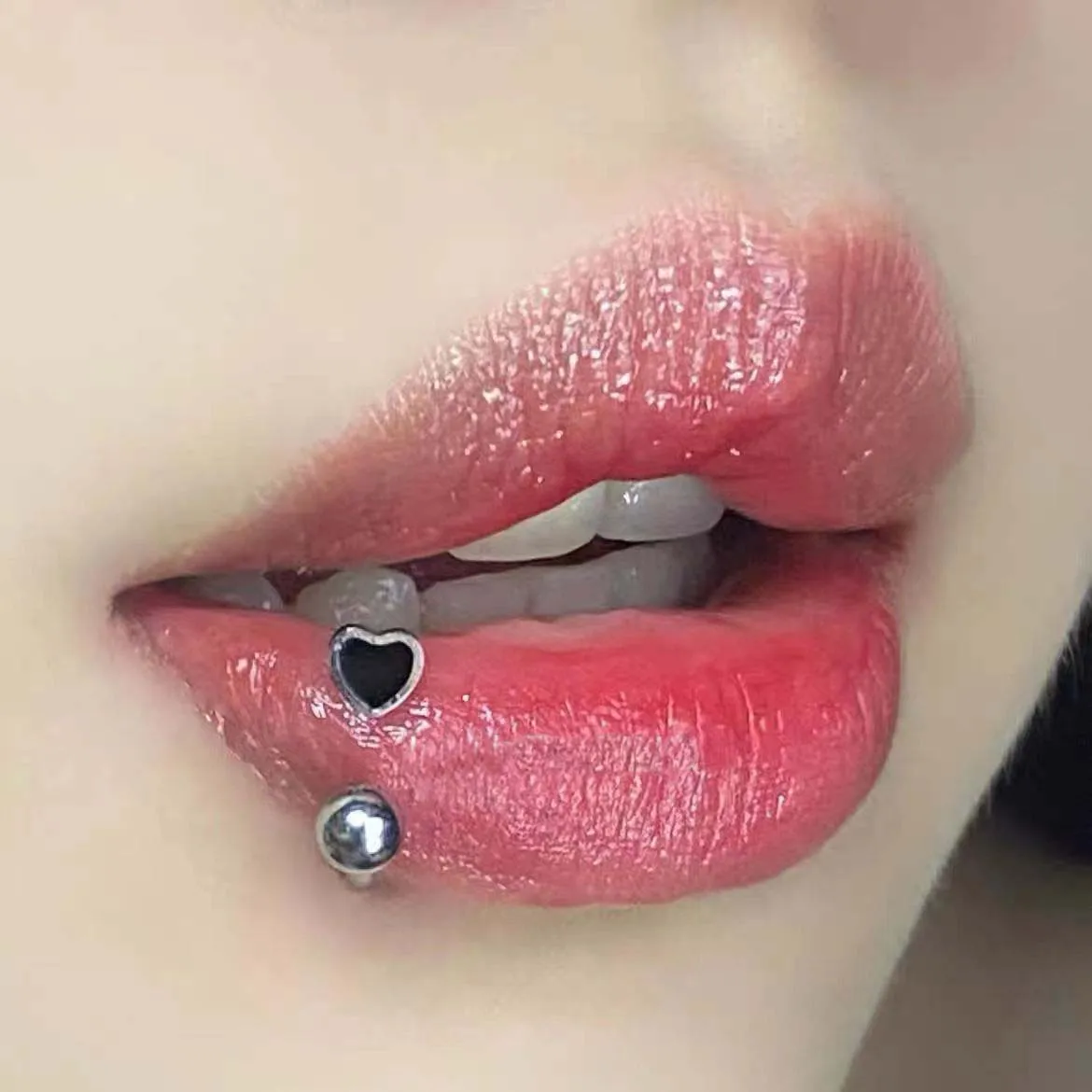
Jewelry choice changes the look and comfort of lip piercing types. Most start with straight barbells. These have balls on both ends.
Labrets use flat-backed barbells. The back lies flush against gums. Prevents irritation. Safer for long-term wear.
Circular barbells work for snake bites. Rings dangle slightly. Show off movement. Make a statement.
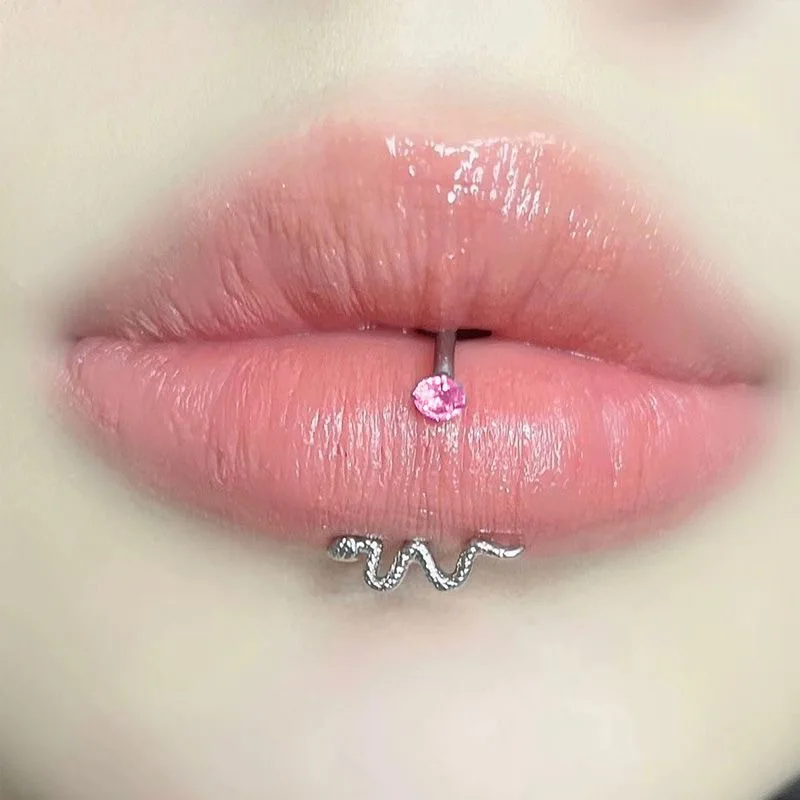
Studs suit medusa and monroe piercings. Small gems or pearls stand out. Don’t catch on clothing. Ideal for daily wear.
Dermal anchors fit surface piercings. Volcano and frowny types may need them. Hold securely under skin.
Titanium is best for initial healing. Hypoallergenic and lightweight. Reduces reaction risks. Great for sensitive users.
Surgical steel works too. Avoid nickel-heavy alloys. These cause rashes or bumps. Quality matters.
Plastic or PTFE bars help during orthodontics. Flexible material won’t damage braces. Temporary solution.
Length changes over time. Start longer to allow swelling. Switch to shorter bars once healed. Prevents tissue migration.
Decorative ends include hearts, stars, or spikes. Express personality. Change after full recovery. Never swap too soon.
Always clean new jewelry. Sterilize before insertion. Prevent infection from the start.
Healing Time and Aftercare for Lip Piercing
Healing varies by type and person. Most lip piercing types take 6 to 10 weeks. Some deeper ones need up to 3 months.
Start with saline rinses. Spray twice daily. Remove crust gently. Don’t pick scabs. Let them fall naturally.
Rinse after eating and drinking. Food particles stick to jewelry. Bacteria grow fast. Clean mouth reduces infection.
Use alcohol-free mouthwash. Gargle for 30 seconds. Do this morning and night. Kills germs without drying.
Avoid smoking and vaping. Heat slows healing. Toxins delay tissue repair. Wait if possible.
Don’t touch the piercing. Hands carry germs. Even clean fingers introduce bacteria. Leave it alone.
Sleep on your back. Pressure causes swelling. Movement irritates fresh wounds. Reduce friction.
Eat soft foods early on. Hard or spicy items sting. Soups and smoothies are safer. Chew slowly.
Stay hydrated. Water supports cell regeneration. Flushes toxins. Helps overall wellness.
Never twist the jewelry. It disrupts healing. Increases scar tissue. Can lead to keloids.
Watch for signs of infection. Redness, heat, pus, or fever mean trouble. See a doctor immediately.
 Choosing a Professional Piercer for Your Lip Piercing
Pick a licensed studio. Check credentials online. Read reviews. Visit in person. Trust matters.
Look for cleanliness. Tools should be sealed. Gloves worn every time. Hygiene protects you.
Ask questions. Experience level? Years in business? Portfolio available? Confidence builds trust.
See healed examples. Photos show results. Ask about their own piercings. Proof speaks louder.
Discuss design together. Bring reference images. Listen to expert input. Collaboration ensures best outcome.
Check equipment. Needle size matches jewelry. Forceps must be sterile. No reused materials.
Avoid gun piercings. Guns damage tissue. Needles are safer and precise. Always insist on needle use.
Ensure consent forms. Paperwork explains risks. You sign only when ready. Informed choice is vital.
Tip your piercer. Service deserves reward. Builds good rapport. Encourages quality care.
Follow-up visits may be free. Confirm policy. Support helps if problems arise.
Signs of Rejection and How to Prevent It
Rejection happens when the body pushes out jewelry. Early signs include thinning skin. The hole gets longer vertically.
Migration means movement. Piercing shifts from original spot. May still heal. Watch closely.
Redness lasting beyond two weeks is bad. So is persistent pain. Normal soreness fades in days.
Pus indicates infection. Yellow or green discharge needs treatment. Saline isn’t enough.
Swelling returning after improvement signals trouble. Stop touching. See help.
Prevent rejection by using proper size. Too long or tight causes stress. Right fit supports healing.
Keep jewelry in. Removing too soon traps infection. Let pro assess first.
Avoid playing with it. Curiosity harms progress. Hands off.
Use non-stick gauze if needed. Covers prevent snags. Wear at night if necessary.
Choose titanium or gold. Biocompatible metals reduce reaction. Safety comes first.
Frequently Asked Questions
How painful are lip piercings?
Moderate. Sharp pinch then dull ache. Ends quickly. Lower lip tends to hurt more.
Can I eat normally after?
Yes. Stick to soft foods first. Avoid spicy or acidic items. Resume normal diet slowly.
Do they affect kissing?
Yes. Be gentle at first. Jewelry can scratch. Wait until swelling goes down.
How do I hide it during healing?
Use clear retainers. PTFE or quartz bars are invisible. Swap after initial phase.
Is it safe with braces?
Possible. Use flexible bars. Consult orthodontist. Adjustments may be needed.
Can I drink alcohol?
Wait one week. Alcohol increases bleeding and swelling. Avoid beer and wine early.
What if I chip a tooth?
Replace with softer material. See dentist. Prevent future damage.
Are some types illegal?
No. But workplaces may ban visible ones. Know your environment.
 Final Thoughts
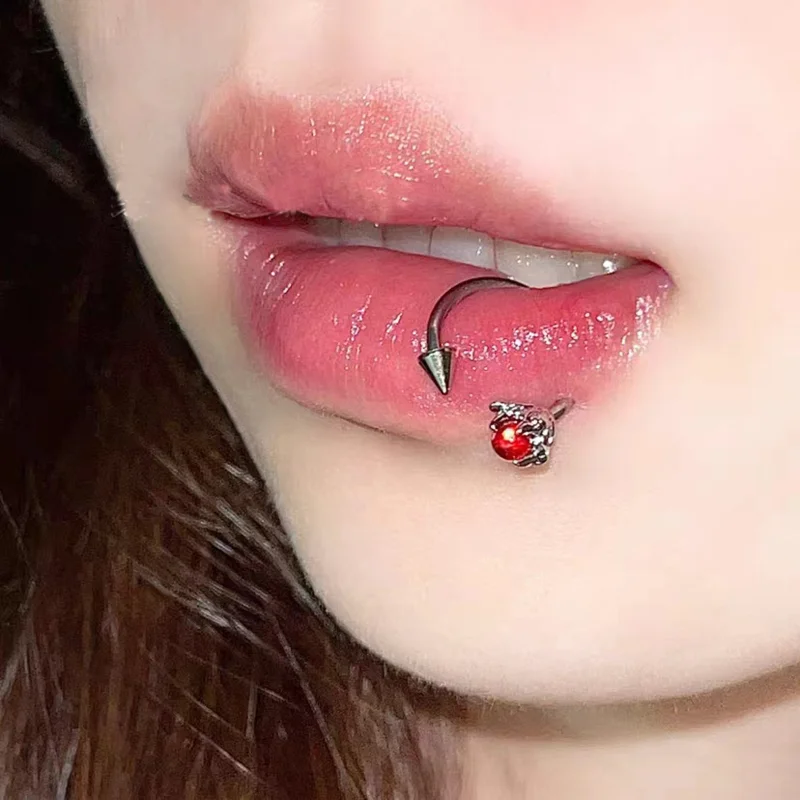
Understanding lip piercing types empowers confident choices. From snake bites to medusa, each offers unique style. Placement, jewelry, and healing all matter.
With proper care, most heal well. Risks drop with knowledge. Skilled piercers guide success. Personal expression meets safety.
Now, more than ever, people embrace these bold accessories. Whether subtle or striking, lip piercing types remain popular. They reflect courage, culture, and creativity. Making an informed decision ensures long-term satisfaction. Explore your options. Find the look that fits you.