A torque multiplier wrench is a powerful hand tool designed to amplify input force, making it easier to tighten or loosen high-torque fasteners. It plays a crucial role in industries where precision and strength are non-negotiable. Unlike standard wrenches, this device uses gear reduction technology to multiply the user’s effort—often by ratios like 4:1, 5:1, or even higher. As a result, tasks that would normally require excessive physical strain become manageable with minimal exertion.
Moreover, the torque multiplier wrench delivers consistent output without relying on external power sources. This makes it ideal for environments where hydraulic systems or electric tools are impractical. Mechanics, riggers, and maintenance teams use it in wind turbines, shipping engines, industrial machinery, and oil rigs. Because it reduces operator fatigue, it also improves workplace safety. In addition, its compact design allows access to confined spaces. Therefore, understanding how this tool works helps users make informed decisions about equipment needs. Whether you’re securing large bolts or performing scheduled maintenance, a torque multiplier wrench offers unmatched control and efficiency.
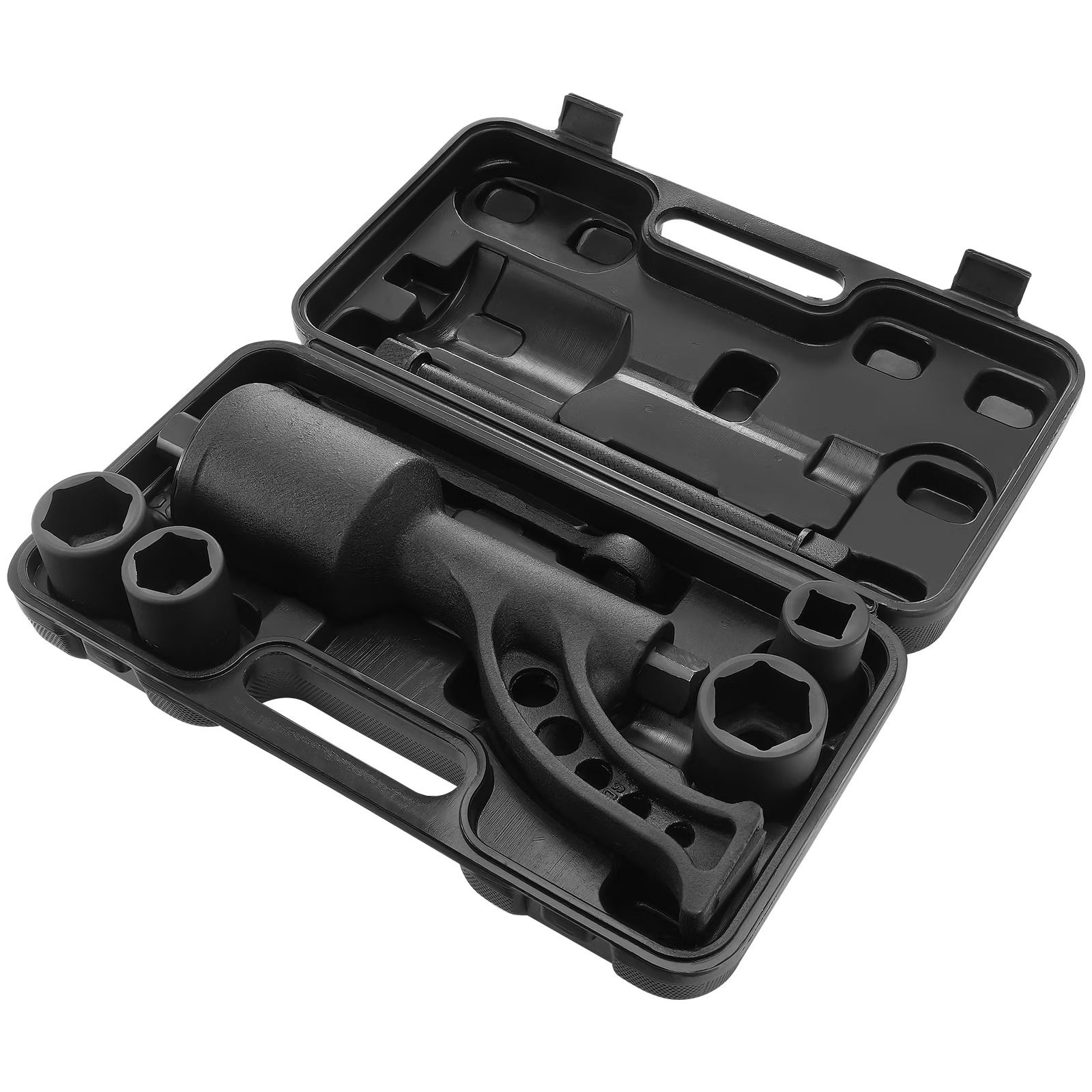 How a Torque Multiplier Wrench Works
The Science Behind Gear Reduction and Force Amplification
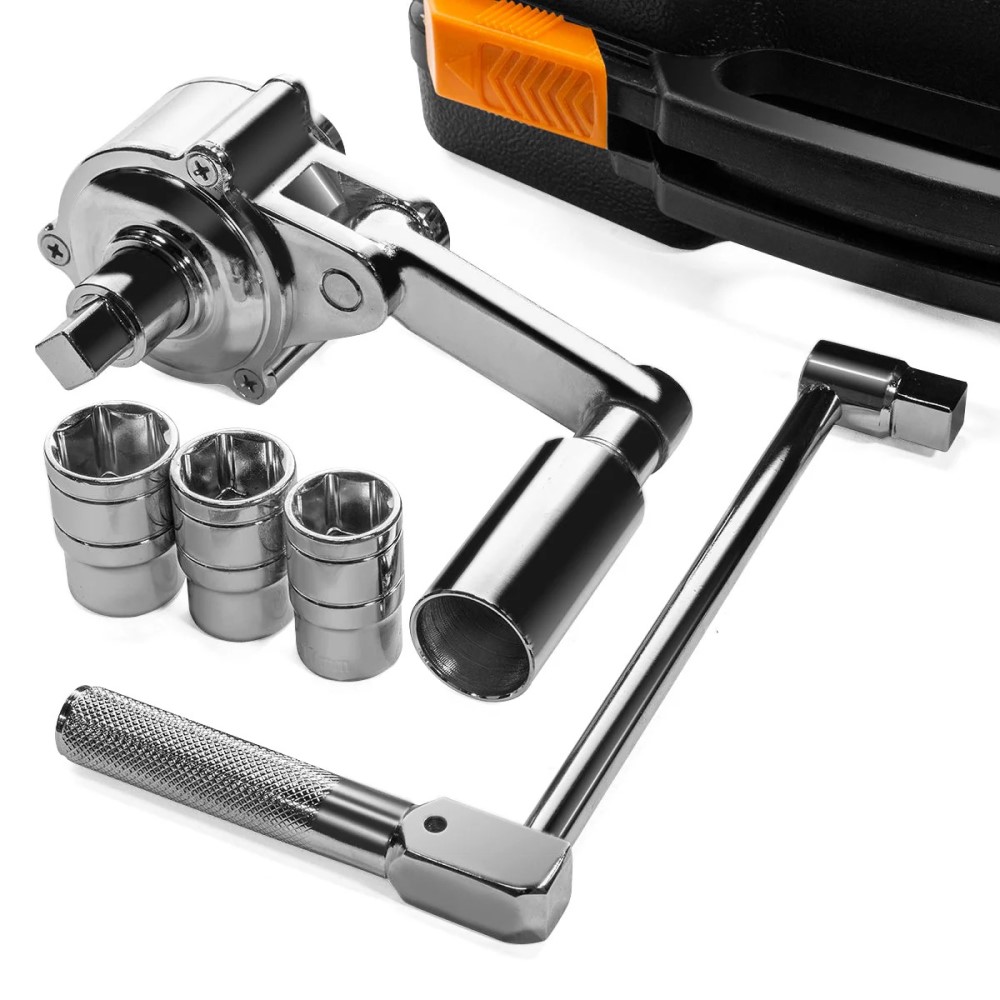
At the heart of every torque multiplier wrench is a planetary gear system. When you apply force to the handle, the input torque transfers through a series of gears. These gears reduce rotational speed while increasing turning power. For example, a 5:1 ratio means that five turns of the handle produce one output revolution—but with five times the torque. This mechanical advantage is what makes heavy-duty fastening possible using only hand power.
Additionally, most models include a ratcheting mechanism. This allows continuous tightening without repositioning the tool. You simply swing the handle back and forth. Each forward stroke adds more torque. The internal pawl system locks in place during the return motion. As a result, progress continues smoothly. Furthermore, many units feature a directional switch. This lets users toggle between tightening and loosening modes quickly.
Another key component is the reaction arm. It anchors against a fixed surface to prevent the tool from spinning when force is applied. Without this, the multiplier would rotate instead of transferring energy to the fastener. Proper placement ensures safe and effective operation. Always secure the arm before applying pressure.
Therefore, the entire process relies on physics, not electricity or hydraulics. This simplicity enhances reliability in harsh conditions. Dust, moisture, and temperature extremes don’t interfere with performance. Hence, a torque multiplier wrench remains functional where other tools fail.
Common Applications Across Industries
Where High-Torque Fastening Is Essential
The torque multiplier wrench proves invaluable in multiple sectors. In wind energy, technicians use it to secure tower bolts and rotor hubs. These connections must withstand extreme weather and constant movement. Manual tools cannot generate enough force. However, a torque multiplier wrench applies precise, repeatable tension safely.
Similarly, marine engineers rely on it for propeller shafts and engine mounts. Saltwater environments accelerate corrosion. Bolts expand and seize over time. Removing them requires immense leverage. A torque multiplier wrench delivers that power without risking damage to surrounding parts. Also, space is limited inside ship compartments. The compact size of the tool fits into tight areas where larger equipment won’t go.
In manufacturing plants, maintenance crews use it during machine rebuilds. Conveyor systems, presses, and pumps all have large flange joints. These demand exact torque values to prevent leaks or misalignment. Using a torque multiplier wrench ensures compliance with engineering specifications. Moreover, audits can verify that correct procedures were followed.
Oil and gas operations depend on it too. Pipeline flanges and valve assemblies need secure sealing under high pressure. Failure leads to dangerous leaks. By applying calibrated torque, workers minimize risks. The tool also supports preventive maintenance schedules. Teams can recheck bolt tension periodically without disassembly.
Therefore, the versatility of a torque multiplier wrench spans land, sea, and industrial sites. Its ability to deliver controlled force makes it indispensable. Any job involving oversized nuts and bolts benefits from its use.
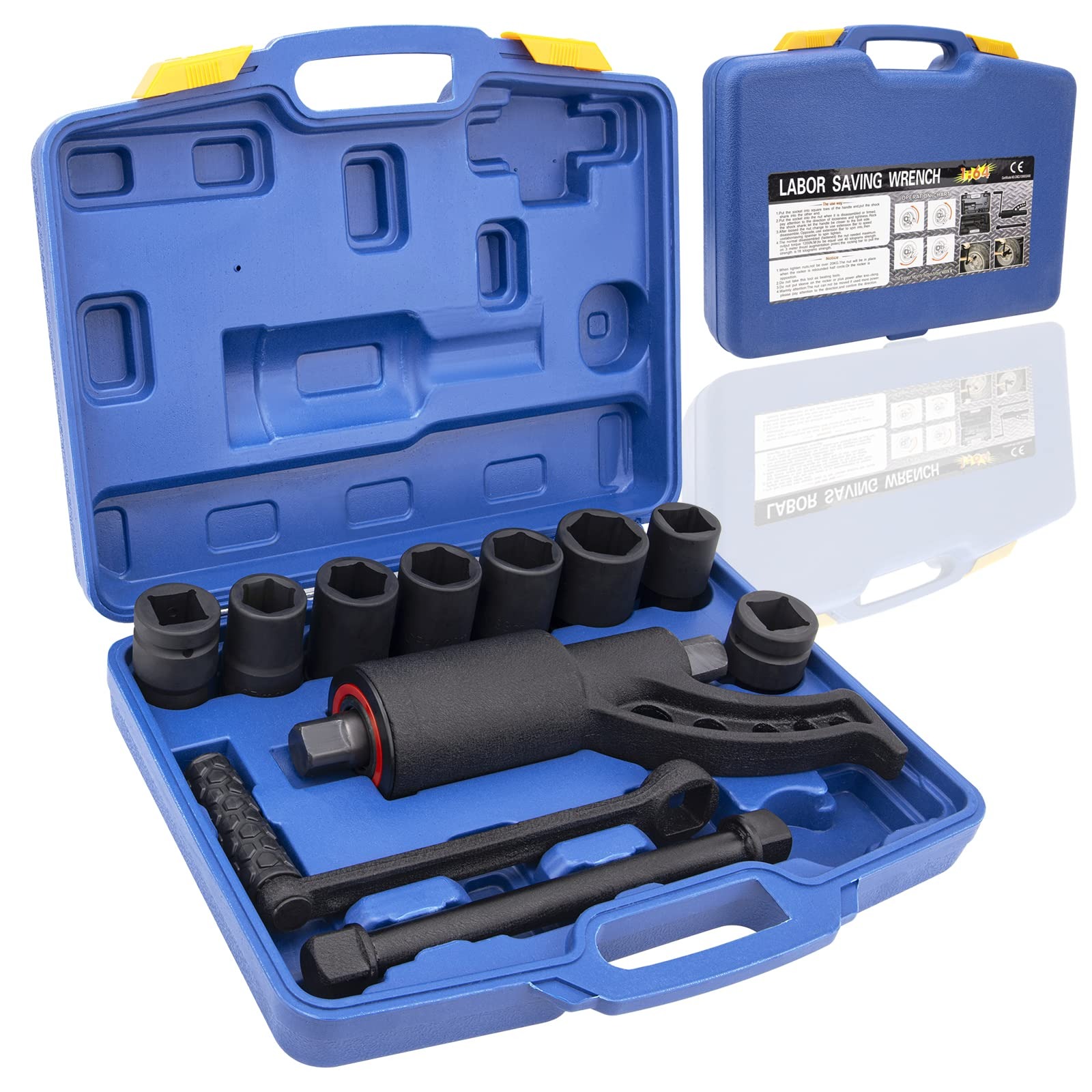 Advantages Over Traditional Tools
Why Choose a Torque Multiplier Wrench Instead of Breaker Bars or Impact Guns
Traditional breaker bars require brute strength and long handles. They offer no torque multiplication. Users often jump on the bar or use pipes to extend leverage. This method is unsafe and imprecise. In contrast, a torque multiplier wrench generates high output through engineered mechanics. It eliminates guesswork and reduces injury risk.
Impact wrenches are popular but come with drawbacks. They depend on compressed air or batteries. In remote locations, power sources may be unavailable. Also, impacts can damage sensitive components. Threads strip easily if overdriven. A torque multiplier wrench applies smooth, steady force. There is no shock loading. This protects both fastener and material.
Furthermore, accuracy matters in critical applications. Standard tools rarely provide feedback on applied torque. With a torque multiplier wrench, users can calculate input based on the gear ratio. Some advanced models integrate digital gauges. These display real-time values. As a result, operators meet exact specifications consistently.
Ergonomics play a major role too. Long hours of manual labor lead to fatigue. A torque multiplier wrench reduces physical strain significantly. Operators maintain better posture and control. Consequently, productivity increases. Fewer breaks are needed. Workflows stay uninterrupted.
Also, noise levels remain low. Impact guns produce loud sounds. Hearing protection becomes mandatory. A torque multiplier wrench operates quietly. Communication stays clear around the worksite. Team coordination improves as a result.
Hence, choosing this tool brings measurable improvements. It enhances safety, accuracy, and efficiency. While initial cost may be higher, long-term benefits outweigh the investment.
Selecting the Right Wrench
Matching Tool Specifications to Job Requirements
Choosing the correct model starts with identifying your torque needs. Determine the target fastening value in foot-pounds or Newton-meters. Then, select a multiplier with an appropriate gear ratio. For instance, if you need 600 lb-ft and apply 120 lb-ft manually, a 5:1 unit meets the requirement. Always allow a small safety margin above the maximum needed.
Next, consider the drive size. Most torque multiplier wrenches come with 1/2-inch, 3/4-inch, or 1-inch square drives. Match this to your socket set. Larger drives handle higher loads. Smaller ones suit lighter tasks. Ensure compatibility before purchasing. Adapters exist but may weaken the connection.
Weight and portability matter too. Heavy-duty models can weigh over 20 pounds. Carrying them overhead or in awkward positions causes fatigue. Lightweight composites reduce strain. However, they may sacrifice durability. Balance strength with ease of handling.
Reaction arm length affects workspace clearance. Short arms fit in narrow zones. Long arms provide better leverage but need more room. Check available space at the job site. Foldable or adjustable arms offer flexibility. They adapt to different setups.
Also, look for build quality. Hardened steel gears resist wear. Sealed housings protect against dust and moisture. Corrosion-resistant finishes last longer in humid environments. Reputable brands often back their products with warranties. Customer support adds value after purchase.
Therefore, selecting a torque multiplier wrench involves evaluating several factors. Purpose, environment, and frequency of use guide the decision. A well-chosen tool performs reliably for years.
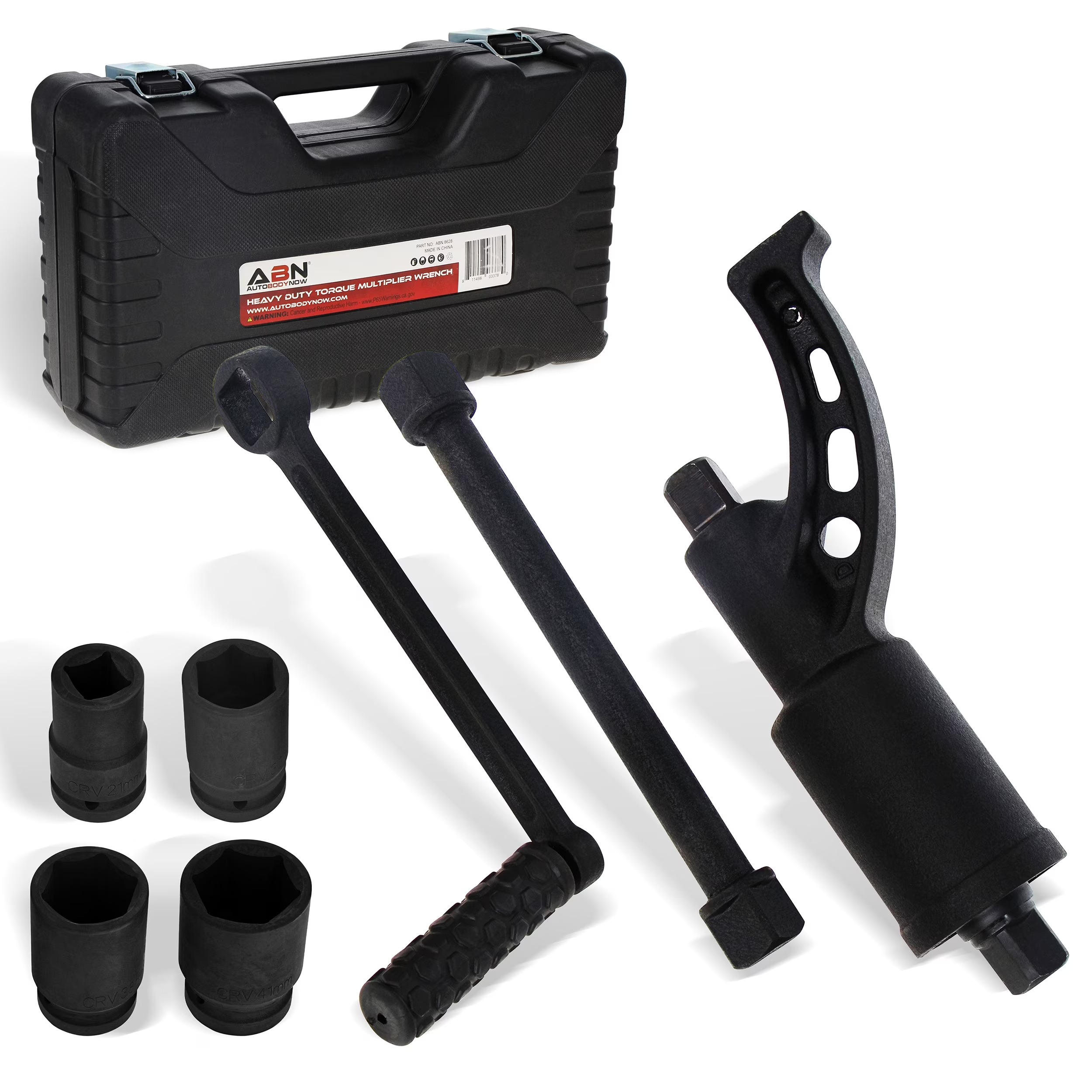 Safety Practices When Using a Wrench
Ensuring Operator and Equipment Protection
Safety must always come first when operating a torque multiplier wrench. Begin by inspecting the tool before each use. Look for cracks, worn teeth, or loose components. Damaged gears can fail under load. This creates sudden release of energy. Always remove faulty tools from service immediately.
Secure the reaction arm properly. It must rest against a solid, immovable surface. Never let it press against plastic, thin metal, or moving parts. If the anchor point slips, the tool can kick back violently. This endangers the user and nearby personnel. Use padding if necessary to prevent surface damage.
Wear proper personal protective equipment. Gloves improve grip. Safety glasses shield eyes from debris. Steel-toed boots protect feet in case of drops. Long sleeves reduce skin exposure near rotating parts. Even with low-speed motion, hazards exist.
Apply force gradually. Sudden jerks increase stress on internal mechanisms. Smooth, controlled strokes extend tool life. Stop if you hear grinding or feel resistance beyond normal. Investigate the cause before continuing.
Make sure the socket is fully seated on the fastener. Partial engagement leads to slippage. This damages corners and creates flying fragments. Use impact-rated sockets rated for the expected torque.
Also, keep bystanders clear. Establish a safe work zone. Communicate intentions before starting. Hand signals help in noisy environments. Never rush the process. Accuracy matters more than speed.
Finally, store the tool correctly after use. Clean off dirt and grime. Keep it in a dry place. Lubricate moving parts as recommended. Regular maintenance prevents premature failure. Thus, a torque multiplier wrench remains reliable and safe.
Maintenance and Care Tips
Extending the Life of Your Torque Multiplier Wrench
Proper care keeps a torque multiplier wrench working efficiently. After each use, wipe down the housing with a clean cloth. Remove oil, dust, and metal shavings. These contaminants enter seals and wear down gears over time. A quick wipe prevents buildup.
Lubrication is essential. Most manufacturers recommend periodic greasing of internal gears. Use only specified lubricants. Wrong types may degrade seals or attract debris. Follow the service schedule in the manual. Under-lubrication causes friction. Over-lubrication traps heat.
Inspect the ratchet mechanism regularly. Check for smooth operation and secure locking. Clean any grit from the pawls. Replace worn springs promptly. A sticky ratchet reduces effectiveness and increases effort.
Store the tool in a protective case. Avoid leaving it on wet floors or in direct sunlight. Extreme temperatures affect metal expansion and seal integrity. Humidity leads to rust. A climate-controlled area is best.
Check torque calibration occasionally. While not always required, verifying output ensures accuracy. Send it to a certified shop if discrepancies appear. Misaligned tools compromise joint integrity.
Also, examine sockets and extensions. Worn tools transfer uneven force. This stresses the multiplier’s drive. Replace damaged accessories immediately.
Train all users on proper handling. Untrained operators may misuse the device. Dropping it or forcing stuck bolts causes internal damage. Education reduces avoidable repairs.
Therefore, routine upkeep pays off. A well-maintained torque multiplier wrench lasts longer. It performs consistently across jobs. Investing time in care saves money and downtime later.
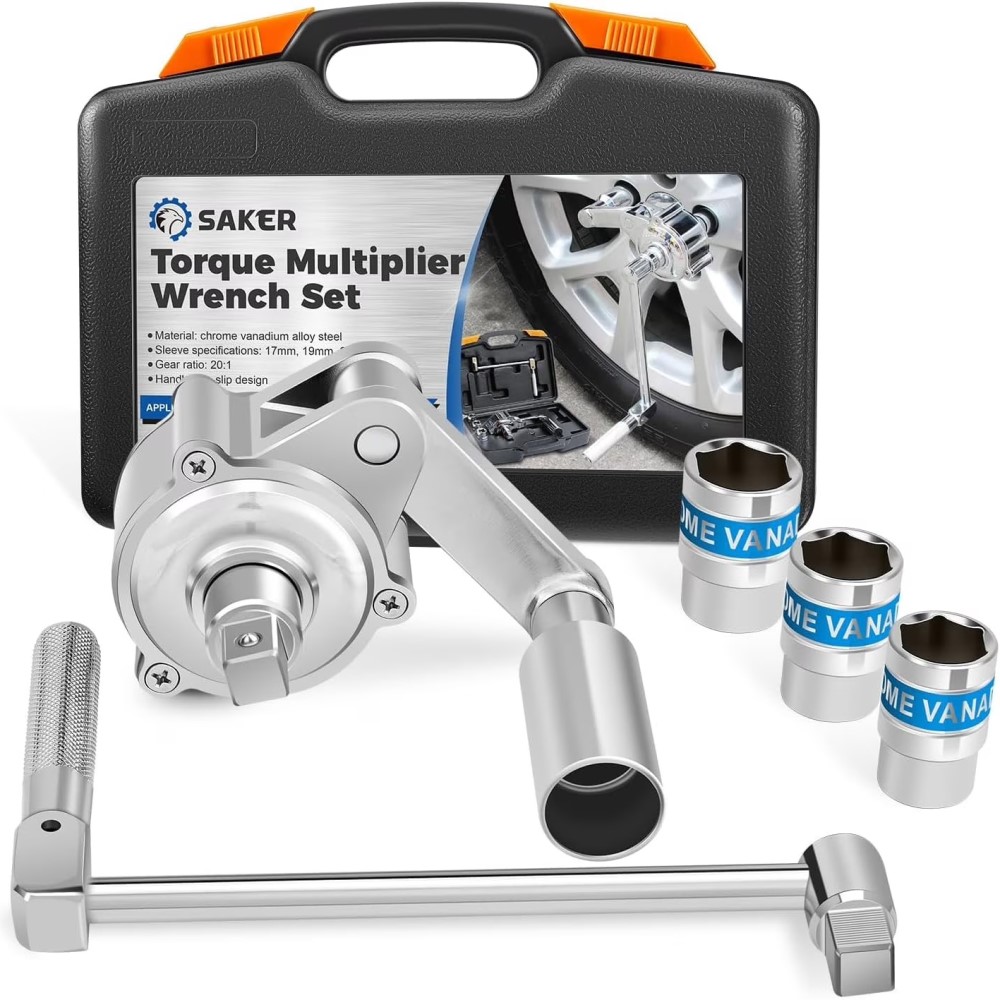 Frequently Asked Questions
Clearing Up Common User Concerns
Can I use a torque multiplier wrench for loosening? Yes, most models work in reverse. Set the direction switch to counterclockwise. Anchor the reaction arm securely. Apply steady handle turns. It provides extra leverage for seized bolts.
Do I need special training? No formal certification is required. However, reading the manual and practicing on non-critical jobs helps. Understanding gear ratios and anchoring techniques improves results.
How do I know the actual torque applied? Multiply your input force by the gear ratio. For example, 100 lb-ft input on a 4:1 wrench equals 400 lb-ft output. Some models include built-in indicators for direct reading.
Is it compatible with digital torque sensors? Not directly. But you can measure input torque with a sensor on the handle. Then calculate output using the ratio. This method verifies accuracy.
Can I use impact sockets? Yes, and it’s recommended. They are stronger and less likely to crack under load. Standard chrome sockets may fail.
What happens if I exceed the max input? Internal damage may occur. Gears can strip. Always stay within manufacturer limits. Respect the tool’s design boundaries.
These answers help users operate confidently. Knowledge prevents mistakes and extends tool life.
 Conclusion
A torque multiplier wrench stands out as a reliable, efficient solution for high-torque applications. It combines mechanical intelligence with practical design. Workers gain strength amplification without sacrificing control. From offshore platforms to factory floors, it supports critical operations daily.
Indeed, the question isn’t just how much force it delivers. It’s about consistency, safety, and precision. Compared to improvised methods, it reduces risk and improves outcomes. Downtime decreases. Quality increases. Teams complete tasks faster and with fewer injuries.
More importantly, it empowers individuals. One person can achieve what once took two or three. This boosts productivity across teams. Projects move forward without delays. Equipment remains secure and compliant.
Whether you’re maintaining infrastructure or assembling complex machinery, a torque multiplier wrench proves essential. It bridges the gap between human capability and industrial demand. So, when planning your toolkit, remember this: investing in a torque multiplier wrench means investing in performance, safety, and long-term success.