Golfers around the world are searching for the best golf irons 2024 has to offer. With rapid advancements in club technology, choosing the right set can significantly improve your game. Whether you’re a beginner, mid-handicapper, or low-handicap player, the right irons boost confidence, enhance consistency, and deliver better ball flight. Manufacturers now focus on combining distance, forgiveness, and precision in one seamless design.
Moreover, this year’s releases feature smarter engineering than ever before. From enhanced face technologies to improved weight distribution, every detail matters. Players demand more control without sacrificing playability. As a result, brands have responded with innovative materials and refined shaping. Therefore, understanding what makes a set stand out is essential. This guide explores top models, key features, and who each iron suits best. Let’s dive into why the best golf irons 2024 are worth your attention.
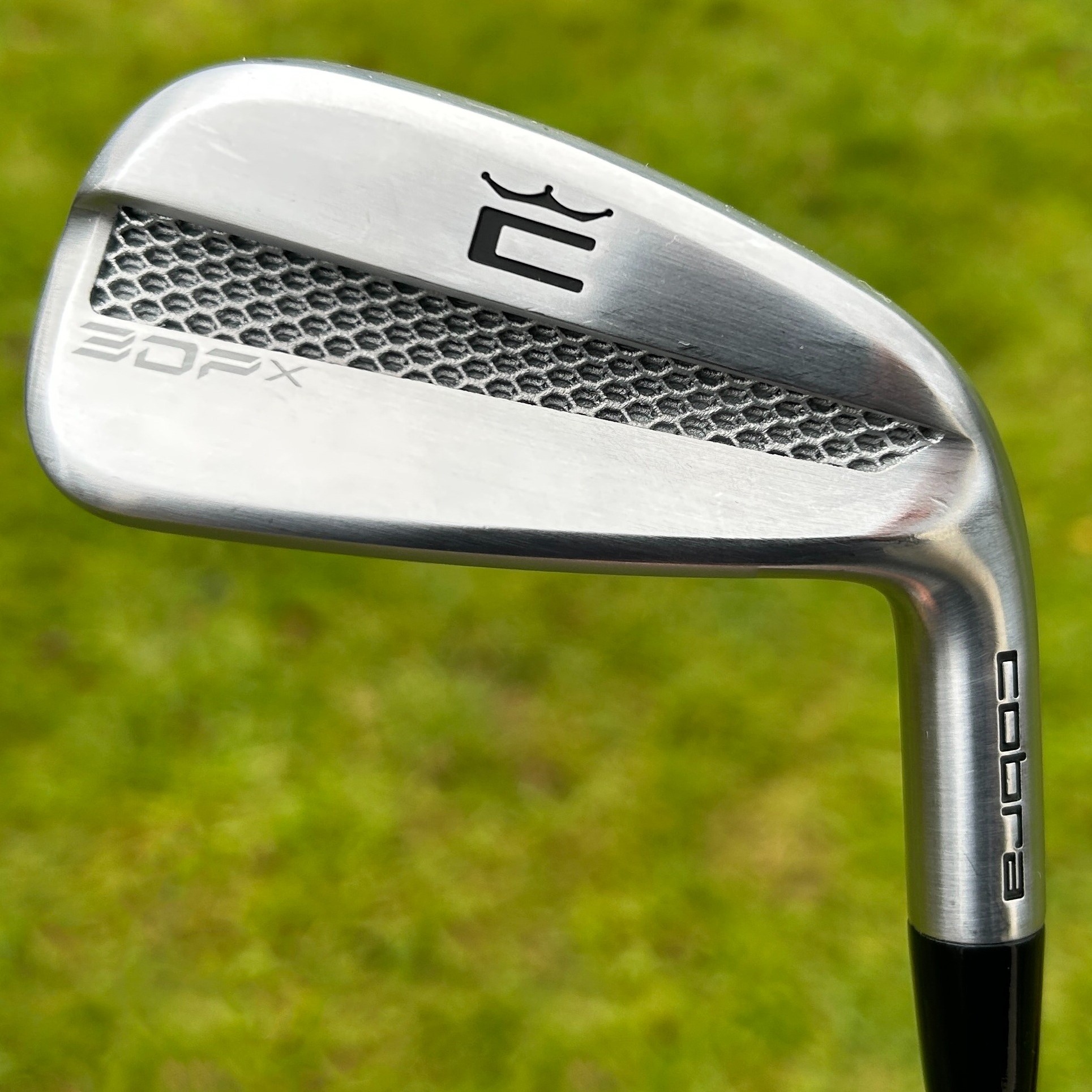 What Makes the Best Golf Irons 2024 Stand Out?
Advanced Technology Meets Player-Centric Design
The best golf irons 2024 share several standout traits. First, they use high-strength steel faces that increase ball speed across the entire clubface. This means even off-center hits travel farther. Engineers achieve this through variable face thickness designs. These zones flex at impact, delivering consistent energy transfer.
Additionally, many sets now include tungsten weighting in the toe and heel. This shifts the center of gravity deeper and lower. As a result, shots launch higher with less effort. Mis-hits stay straighter, improving accuracy on approach shots. Such refinements benefit players who struggle with thin or pulled strikes.
Another major trend is multi-material construction. Some irons combine steel bodies with polymer cores. These dampen vibrations while maintaining solid feedback. The feel remains crisp, yet harsh shocks are reduced. Consequently, players enjoy comfort without losing connection to the strike.
Furthermore, progressive set designs are common. Short irons prioritize control and spin. Long irons focus on launch and carry. This tailored approach ensures balanced performance from 4-iron to pitching wedge. Instead of one-size-fits-all, clubs adapt to specific shot needs.
Finally, aesthetics play a role. Clean lines, satin finishes, and subtle branding appeal to discerning eyes. Confidence at address starts with how the club looks behind the ball. Together, these elements define what makes today’s top irons exceptional.
Top Contenders Among the Best Golf Irons
Leading Models That Redefine On-Course Performance
One clear leader is the TaylorMade Qi10 Max. It delivers extreme forgiveness through an ultra-low CG and wide sole design. Its cap-back construction enhances stability. As a result, slices and hooks are minimized. Mid to high handicappers see immediate improvement in consistency.
Next, the Callaway Paradym X stands out for its blend of distance and feel. Using A.I.-designed face architecture, it optimizes spin rates. The carbon chassis reduces weight, allowing redistribution to key areas. Hence, launch angles improve without sacrificing control.
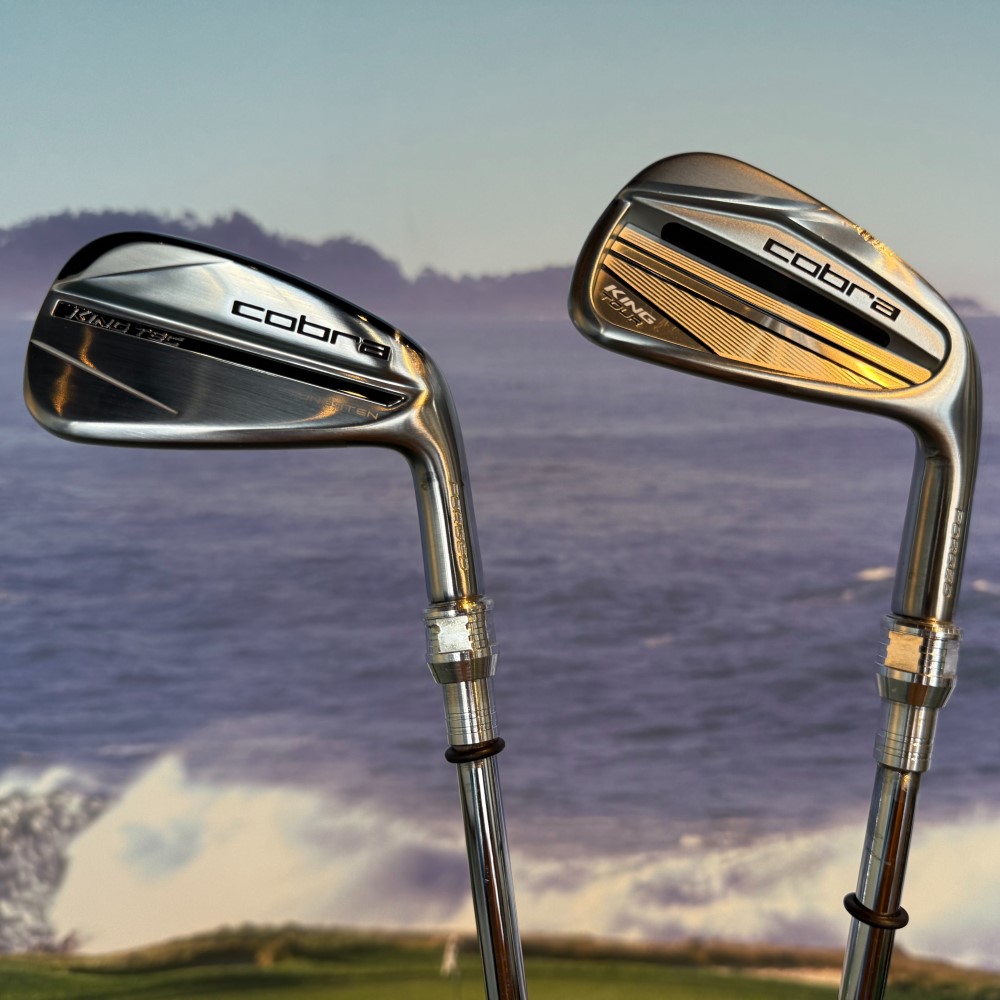
Cobra Aerojet OS is another strong contender. Its oversized cavity boosts MOI significantly. Airflow channels reduce drag during the swing. This increases clubhead speed effortlessly. Combined with PWRSHELL face technology, it produces explosive distance.
Meanwhile, the Titleist T400 appeals to those seeking maximum help. High-launch characteristics suit slower swingers. Thicker tops and bold alignment aids build visual confidence. Despite its game-improvement focus, it doesn’t look bulky.
For better players, the Mizuno Pro 24 offers unmatched craftsmanship. Grain Flow Forged HD process ensures uniform density. Every strike feels pure and responsive. While less forgiving, it rewards skilled execution with precision.
Srixon ZX7 MKII also earns praise. It balances workability with added forgiveness. Rebound Frame technology maximizes energy transfer. Tour-level players appreciate its clean look and sharp feedback.
Each model serves different needs. Yet all represent the innovation driving the best golf irons 2024 forward.
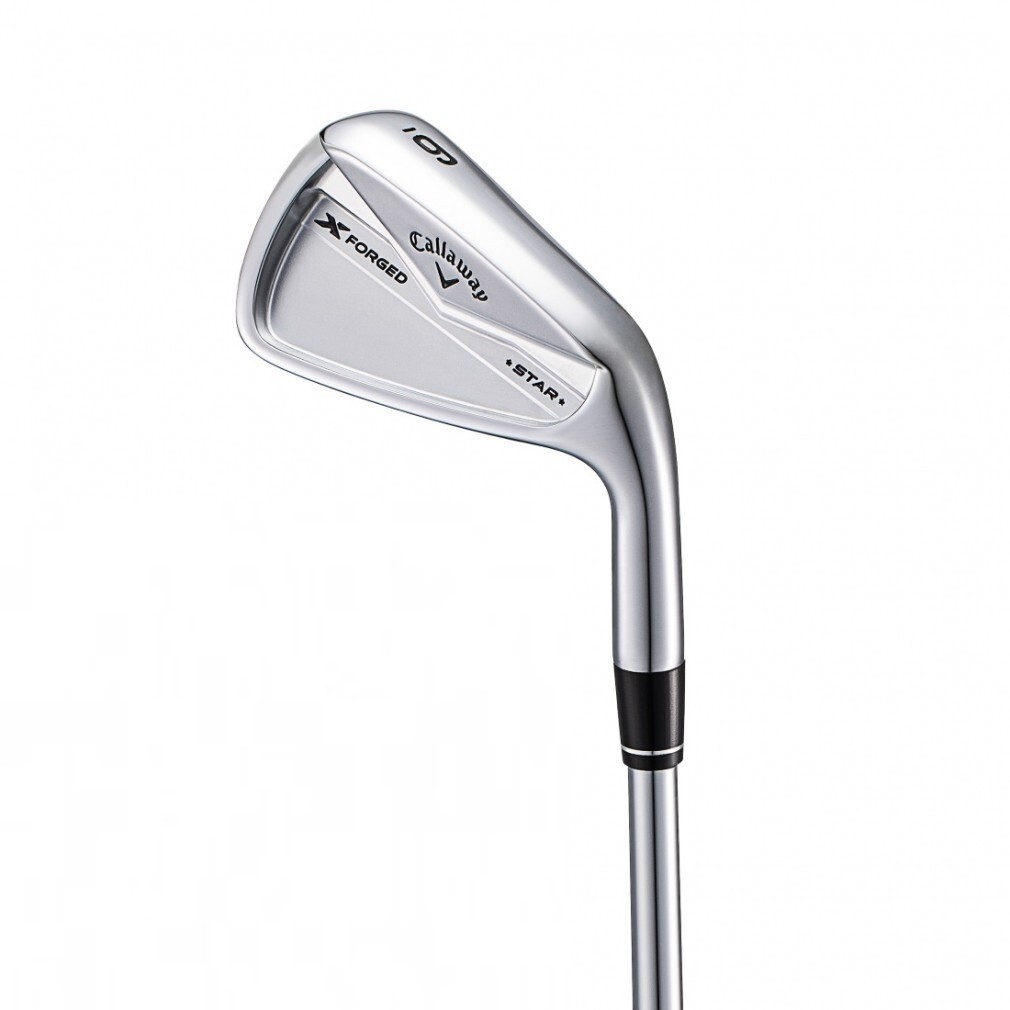 Game Improvement vs. Player’s Irons: Which Is Right for You?
Understanding the Differences in Design and Purpose
Game improvement irons dominate the best golf irons 2024 list for average players. They feature larger heads, wider soles, and perimeter weighting. These traits increase forgiveness on mis-hits. Even strikes low on the face stay airborne. Distance loss is minimal compared to traditional blades.
They also promote higher launch angles. This helps get the ball up quickly, especially for moderate swing speeds. Many include offset hosels to encourage faster face closure. As a result, slicers see straighter ball flights. Confidence grows when shots stay in play.
On the other hand, player’s irons cater to skilled golfers. These clubs have thinner toplines and compact shapes. They allow shot shaping and precise trajectory control. Workability becomes easier around greens and tight fairways.
However, they offer less margin for error. Off-center contact leads to noticeable yardage drops. Feedback is direct—sometimes brutally honest. Only consistent ball strikers benefit fully from their potential.
Some sets fall into a “mid-handicap” category. These blend features from both worlds. Slightly larger profiles with modest offset provide help without looking intimidating. Players transitioning from high-handicap gear often choose them.
Ultimately, your skill level determines the ideal choice. Beginners should start with game improvement models. Low handicappers may prefer player’s irons. Honest self-assessment prevents frustration later.
Transitioning too early can hurt progress. Wait until you consistently strike the center of the face. Then consider moving toward purer designs. Matching your ability to the club enhances long-term development.
How Shaft Selection Impacts Your Iron Performance
Matching Flex, Weight, and Material to Your Swing
Choosing the right shaft is just as important as selecting the head design. Shafts influence launch, spin, and feel. A mismatched shaft can ruin even the best golf irons 2024 has to offer. Therefore, understanding your swing dynamics is crucial.
First, consider flex. Regular, stiff, and senior options exist for different swing speeds. Too soft a shaft causes excessive whip. This leads to inconsistent contact and left misses. Too stiff restricts release, causing blocks and pushes. Get fitted if possible.
Weight also plays a role. Lighter shafts increase swing speed but may reduce control. Heavier ones promote stability but require more strength. Find a balance that supports tempo and timing.
Graphite versus steel is another decision point. Graphite reduces overall club weight. This benefits seniors or players with joint issues. It also dampens vibration, making impacts feel smoother. Steel offers better feedback and consistency for repeatable swings.
Tip stiffness affects ball flight shape. Firmer tips produce lower trajectories. Softer tips encourage higher launches. Adjustable shafts let players fine-tune performance over time.
Many manufacturers now offer multiple stock shafts. This allows customization without aftermarket upgrades. Try different combinations during fittings. Small changes can yield big results.
Never overlook grip size either. Oversized grips help reduce hand action. Undersized ones increase wrist mobility. Match hand size and comfort for optimal control.
In short, the shaft completes the iron system. It connects your motion to the clubhead. Choose wisely to unlock full performance.
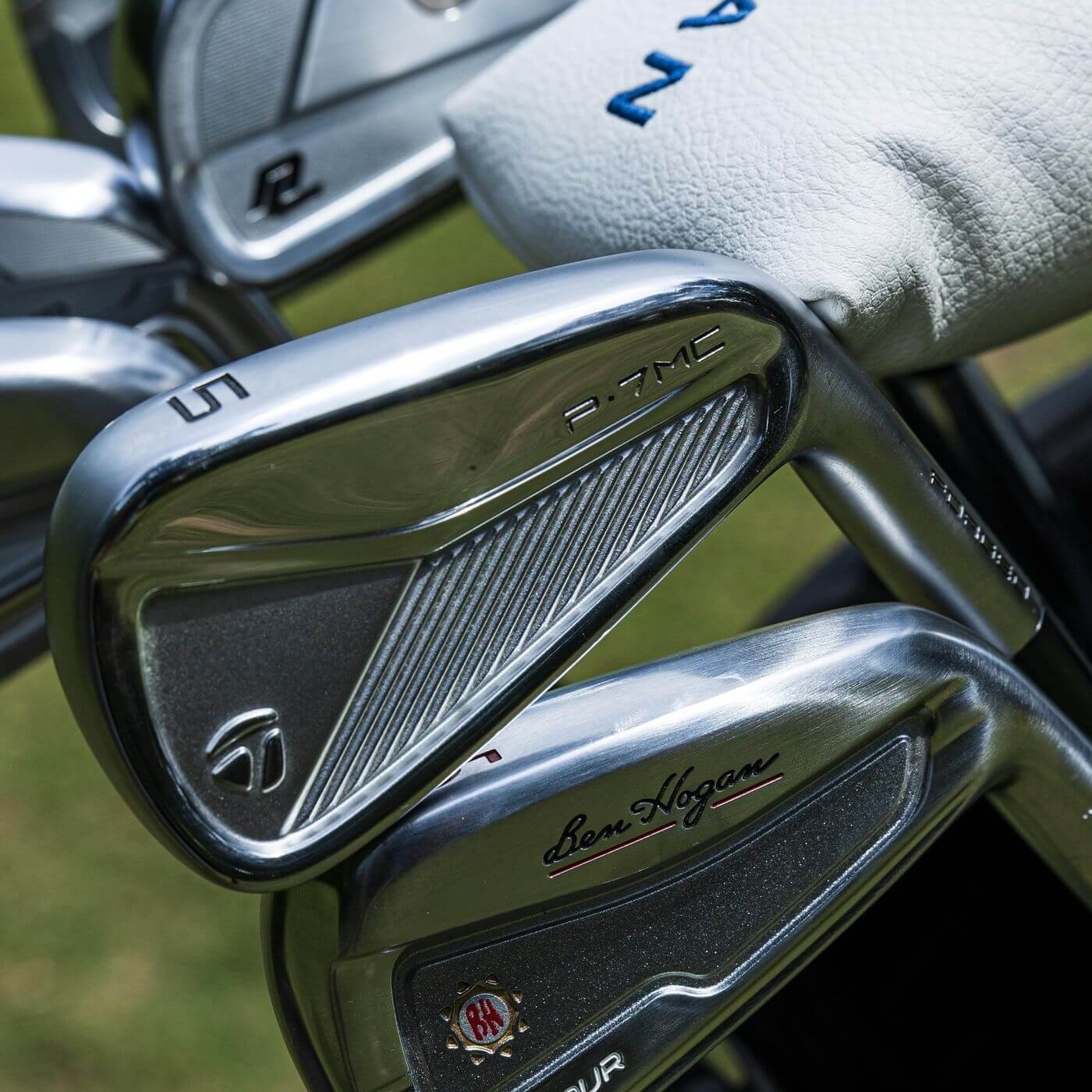 Why Custom Fitting Enhances Your Iron Experience
Tailoring Clubs to Your Unique Swing and Body Type
Off-the-rack irons rarely deliver peak performance. While they work adequately, custom fitting unlocks true potential. It adjusts length, lie angle, loft, and shaft to match your physique and swing path. As a result, shots become more consistent and predictable.
For example, incorrect lie angles cause directional issues. A flat lie sends shots right. An upright lie pulls them left. These problems persist regardless of practice. However, proper fitting corrects them instantly.
Length adjustments matter too. Standard lengths suit average heights. Tall or short players need modifications. Too long, and you stand too far from the ball. Too short, and posture suffers. Both affect strike quality.
Loft gapping ensures even yardage separation between clubs. Without proper spacing, distance overlaps occur. This creates confusion on approach shots. Precision fitting eliminates guesswork.
Moreover, fitters analyze swing speed, attack angle, and release point. They recommend shafts that complement your motion. This synergy improves timing and rhythm. Clubhead delivery becomes more reliable.
Many retailers now offer digital launch monitors. These track ball speed, spin rate, and carry distance. Data-driven decisions replace guesswork. You see real-time feedback during testing.
Even grip type can be personalized. Some prefer corded textures. Others like softer rubber. Personal comfort boosts confidence over every shot.
Investing in a fitting session pays off quickly. Most golfers gain yards and tighter dispersion. Accuracy improves within weeks. Therefore, pairing the best golf irons 2024 with expert fitting maximizes return.
Factors to Consider When Buying New Irons
Balancing Price, Playability, and Long-Term Value
Price is always a factor when upgrading equipment. Premium sets range from 800toover1,300. Budget options offer similar tech at lower costs. However, cheaper models may lack durability or advanced materials. Weigh cost against expected usage.
Playability depends on course conditions. Firm fairways favor lower-spinning irons. Soft courses allow higher-launching models. Consider where you play most. Then select clubs suited to those environments.
Brand loyalty influences choices too. Some trust Titleist for feel. Others swear by TaylorMade for distance. Test different brands objectively. Avoid assumptions based on reputation alone.
New technology cycles quickly. Last year’s model may perform nearly as well. Refurbished or demo sets offer savings. They often come with warranties and near-new condition. Smart shoppers find great value here.
Resale value varies by brand. Titleist and Mizuno retain value longer. Niche or discontinued lines drop faster. Think about future upgrades when buying.
Warranty coverage provides peace of mind. Look for at least one-year protection against manufacturing defects. Some brands extend coverage for registered products. Register yours promptly.
Try before you buy whenever possible. Demo days let you test multiple sets. Hit various shots under realistic conditions. Trust your hands and eyes over marketing claims.
Finally, consider how long you’ll keep the clubs. If you’re still improving, game-improvement models make sense. Stable players may invest in premium player’s irons. Plan ahead to avoid frequent replacements.
 Frequently Asked Questions
Addressing Common Concerns from Real Golfers
Do I need new irons every few years? Not necessarily. Unless technology drastically improves, stick with current clubs. Most gains come from practice, not gear. Upgrade only when performance plateaus.
Can beginners use player’s irons? It’s not recommended. Blades demand precision. Beginners benefit more from forgiveness. Start with game-improvement models. Move up later.
Are single-length irons worth trying? Yes, for some. They simplify muscle memory. All clubs feel the same. However, long irons may lose distance. Test thoroughly before committing.
How long do modern irons last? With care, 5–7 years or more. Stainless steel resists rust. Coatings wear slowly. Replace only if grooves erode or faces crack.
Do forged irons perform better than cast? Not inherently. Modern casting replicates forging benefits. Feel differences are subtle. Choose based on design, not method.
Can women use men’s irons? Sometimes. Height and swing speed matter most. Many women benefit from lighter shafts and shorter lengths. Ladies’ sets often fit better.
Is graphite worth the extra cost? For many, yes. It reduces fatigue. Seniors and injury-prone players notice immediate relief. Better tempo follows naturally.
These answers clarify common doubts. Knowledge empowers smarter purchases. Make informed decisions for lasting satisfaction.
 Final Thoughts
Making a Choice That Elevates Your Performance
After reviewing all options, the question remains: what are the best golf irons 2024 truly offering? They deliver smarter designs, better materials, and greater accessibility. No matter your skill level, there’s a set engineered to help you improve.
Technology continues to close the gap between pros and amateurs. Features once reserved for tour players now appear in mainstream models. Distance, forgiveness, and feel coexist more seamlessly than ever.
Yet, the perfect set depends on individual needs. Assess your strengths, weaknesses, and goals honestly. Then match them to the right club. Avoid chasing trends without purpose.
Custom fitting enhances any purchase. It tailors performance to your unique mechanics. Combined with smart selection, it maximizes results.
Above all, enjoy the process. Trying new irons should inspire confidence. Each round becomes an opportunity to grow. With the best golf irons 2024 available, improvement is within reach.
Choose wisely. Play better. Love the game even more.