The Toyota Soarer Z20 holds a special place in automotive history. Produced from 1986 to 1991, this grand tourer combined luxury, performance, and advanced technology. It was sold exclusively in Japan under the Toyota name. However, its twin model, the Lexus SC300/SC400, reached global markets later. The Z20 generation marked the beginning of a refined series that balanced comfort with sporty handling. Its sleek coupe design turned heads while delivering smooth long-distance driving. Many enthusiasts now consider it a hidden gem among JDM (Japanese Domestic Market) classics.
Moreover, the Toyota Soarer Z20 offered features ahead of its time. It included digital dashboards, climate control, power everything, and even early navigation systems. These luxuries made it stand out against competitors. Under the hood, powerful inline-six engines delivered strong acceleration. Drivers enjoyed both quiet cruising and spirited backroad runs. Today, interest in the Z20 continues to grow. Import rules have eased in several countries. This has allowed more collectors to own a piece of 1980s Japanese innovation. As a result, the demand for a well-preserved Toyota Soarer Z20 is rising steadily.
 Design Features That Defined the Z20 Generation
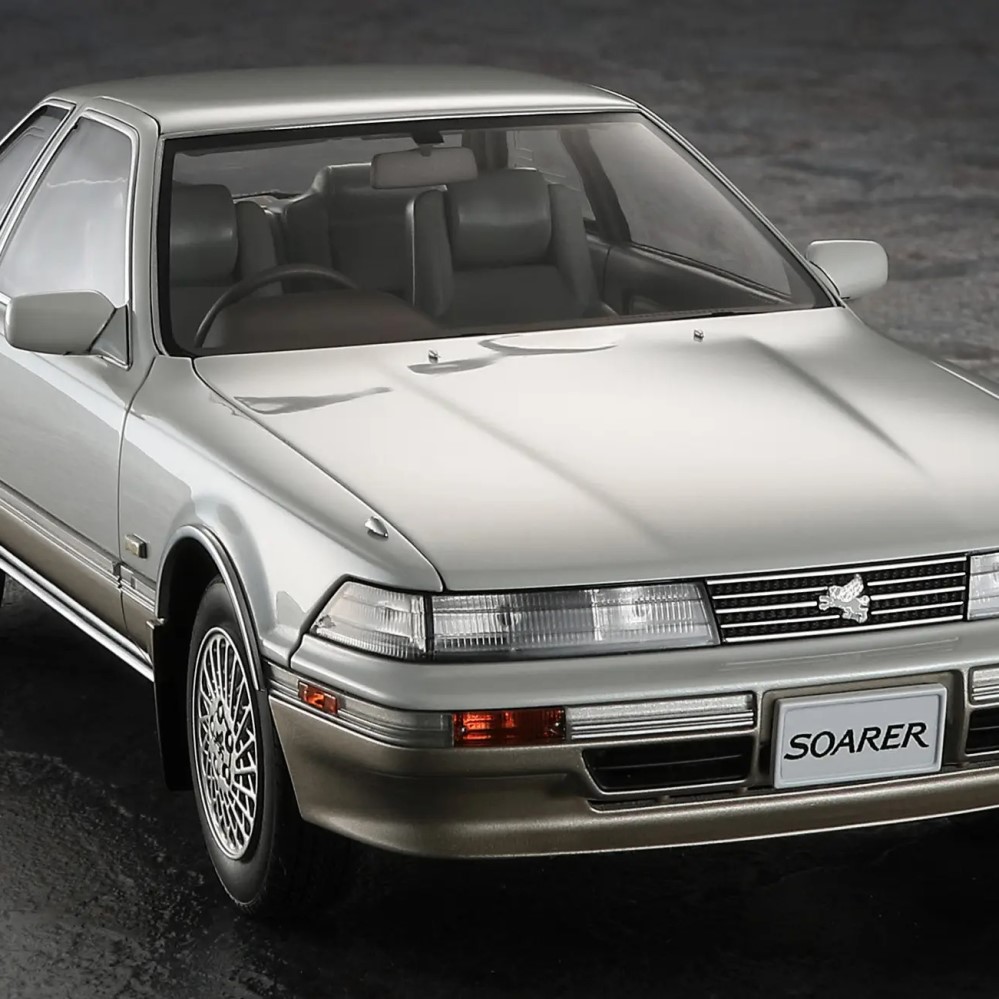
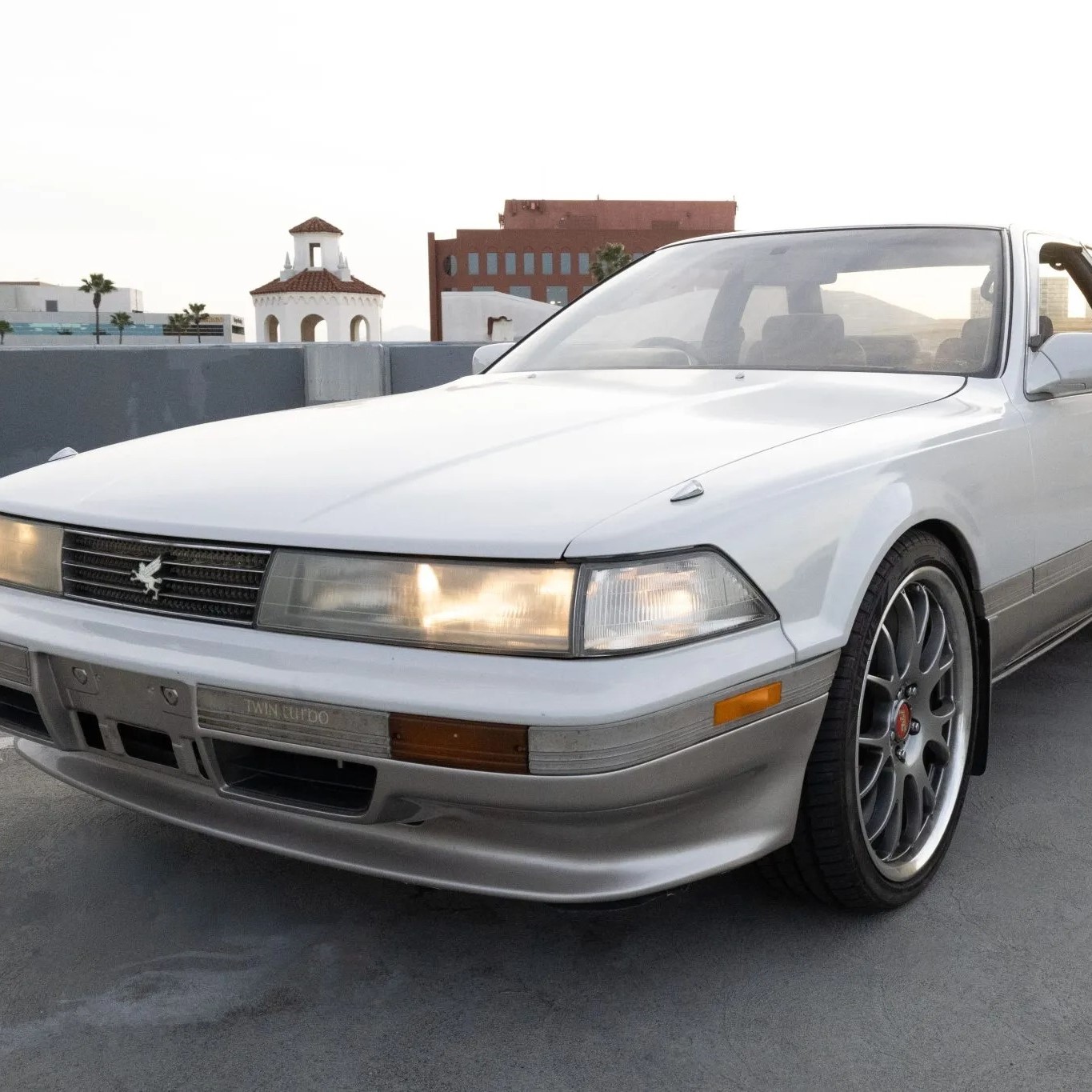
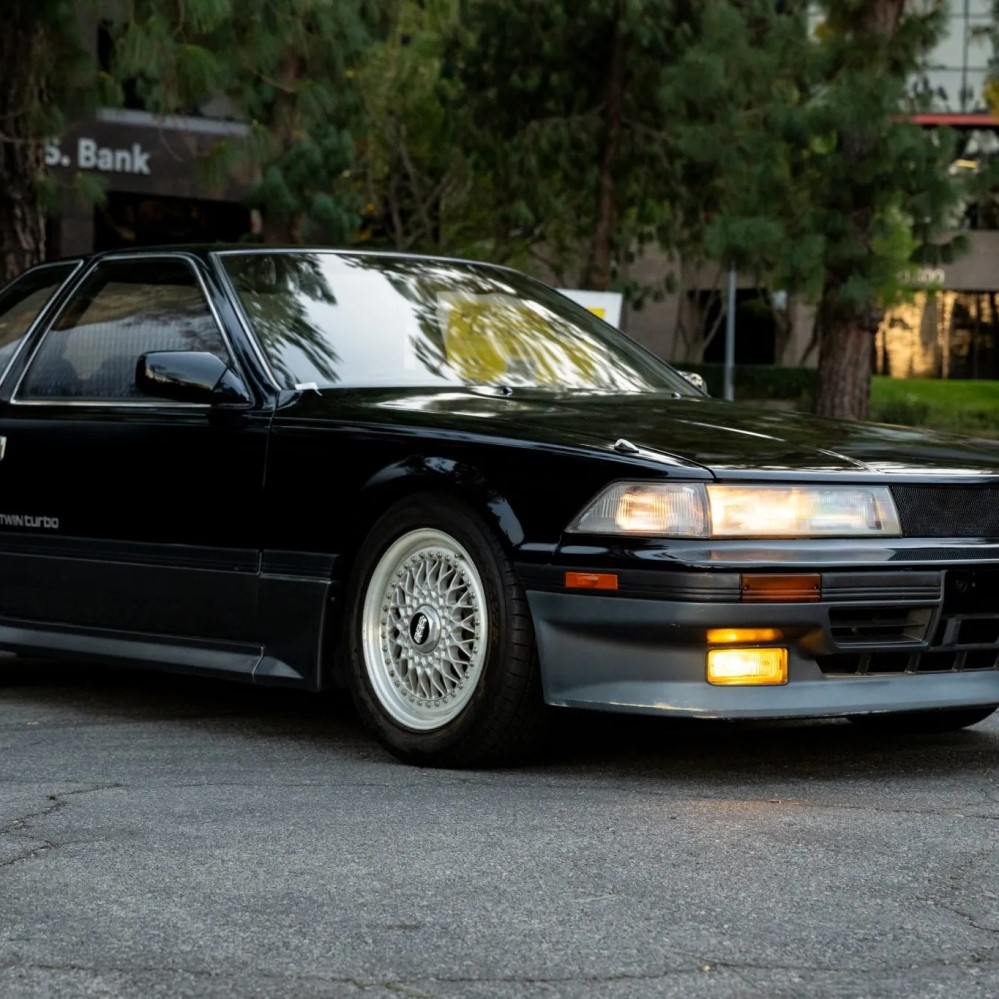
The exterior of the Toyota Soarer Z20 showcased clean, aerodynamic styling. Its low-slung profile and pop-up headlights gave it a futuristic look. Flush door handles and recessed windshield wipers reduced drag. The overall shape emphasized elegance over aggression. Body lines flowed smoothly from front to rear. Wraparound taillights added visual width at night. Chrome trim accents highlighted key areas without excess.
Additionally, attention to detail enhanced refinement. Sealing around doors and windows minimized wind noise. Aerodynamic mirrors improved visibility and efficiency. The retractable antenna disappeared when not in use. Even the wheel designs matched the car’s upscale tone. Alloy wheels ranged from 15 to 16 inches depending on trim. Color options included deep metallics like black, silver, and burgundy. These finishes aged gracefully over time.
Interior design focused on driver comfort and high-tech appeal. Bucket seats provided support during cornering. Leather upholstery came standard on higher trims. Woodgrain inserts added warmth to the dashboard. Gauges were large, clear, and easy to read. Every switch and dial felt solid and precise. Together, these elements created a cockpit suited for relaxed touring. The cabin isolated occupants from road disturbances. Hence, the Toyota Soarer Z20 excelled as a true grand tourer.
Interior Technology and Comfort Innovations
Inside the Toyota Soarer Z20, drivers encountered cutting-edge tech for its era. One standout feature was the Optitron gauge cluster. Unlike traditional dials, these used electroluminescent lighting. They glowed brightly and remained visible in all conditions. Colors shifted subtly based on ambient light. This innovation improved safety and aesthetics simultaneously.
Another highlight was the electronic climate control system. Dual-zone settings allowed driver and passenger to choose different temperatures. The system adjusted airflow automatically. It also filtered incoming air to reduce odors and dust. An optional touchscreen interface managed audio and ventilation. Some models included an early GPS navigation system. Though primitive by today’s standards, it was revolutionary then.
Audio systems featured cassette decks, AM/FM radio, and CD changers. Speakers were strategically placed for balanced sound. Later versions supported digital signal processing. Noise cancellation helped maintain clarity at speed. Power-adjustable seats, mirrors, and steering column added convenience. Cruise control enabled effortless highway travel. All these features worked together seamlessly. They reflected Toyota’s commitment to quality and comfort. As a result, the driving experience felt luxurious and stress-free.
 Engine Options and Performance Capabilities
The Toyota Soarer Z20 came with two primary engine choices. The base model used the 2.0-liter 1G-GE inline-six engine. It produced around 135 horsepower. While modest by modern standards, it offered smooth delivery and reliability. Paired with a four-speed automatic transmission, it delivered comfortable daily driving. Fuel economy remained respectable for a six-cylinder vehicle.
However, most enthusiasts favored the 2.8-liter 7M-GE engine. This unit generated approximately 180 horsepower. It provided stronger acceleration and better passing ability. Torque came on smoothly across the rev range. Both engines used dual overhead camshafts and multi-point fuel injection. This ensured responsive throttle action and clean emissions. Cooling systems operated efficiently even in hot weather.
Some rare variants included turbocharged components. Although the factory did not offer a Z20 with a turbo engine, tuners often upgraded them. Swaps using the 7M-GTE or even the legendary 2JZ became popular. These modifications unlocked significant performance gains. Handling matched the power thanks to a well-tuned suspension. Independent front and rear setups absorbed bumps effectively. Limited-slip differentials improved traction during cornering. Brakes were large and fade-resistant. Overall, the Toyota Soarer Z20 struck a balance between comfort and capability.
Transmission and Drivetrain Efficiency
Power traveled to the rear wheels through a robust drivetrain. Most models used a four-speed automatic transmission. This gearbox shifted smoothly and adapted to driving style. It included a manual shift mode via the gear selector. Drivers could hold gears longer for more control. Overdrive reduced engine RPM on highways. This improved fuel economy and lowered noise levels.
For those seeking engagement, some units received five-speed manuals. These were less common but highly valued today. Manual versions required careful sourcing. They offered sharper response and direct feedback. Gear throws were short and precise. Clutch effort remained manageable for city driving.
The rear-wheel-drive layout enhanced balance. Weight distribution approached 50/50 in many configurations. This improved stability during turns. Differential cooling systems prevented overheating during extended use. Drive shafts were reinforced for durability. Universal joints lasted thousands of miles. Regular maintenance kept everything operating smoothly. Fluid changes and inspections preserved performance. With proper care, the drivetrain delivered decades of service. Thus, the Toyota Soarer Z20 remained dependable and enjoyable.
 Why the Z20 Is Gaining Popularity Among Collectors
In recent years, interest in the Toyota Soarer Z20 has surged. One reason is nostalgia. People who admired the car in the ’80s and ’90s now have disposable income. They seek authentic examples to relive their youth. Another factor is affordability. Compared to European GTs, the Z20 remains relatively inexpensive. Clean models can still be found for reasonable prices.
Moreover, the rise of JDM culture boosted its status. Social media platforms showcase restored builds and import stories. Enthusiasts share tips on sourcing parts and maintaining authenticity. Online forums connect owners worldwide. Translation tools help navigate Japanese auction sites. These resources make ownership more accessible than ever.
Restoration potential adds value too. Many cars survived in excellent condition due to mild climates and careful use. Rust is rare in original Japanese-market vehicles. Replacement panels and trim pieces are available. OEM-quality reproductions support repairs. Tuners appreciate the chassis’ adaptability. Suspension upgrades, brake kits, and coilovers improve dynamics. LED lighting retrofits enhance visibility safely. As awareness grows, so does market appreciation. Therefore, the Toyota Soarer Z20 is becoming a smart collector’s choice.
Modifications and Customization Trends
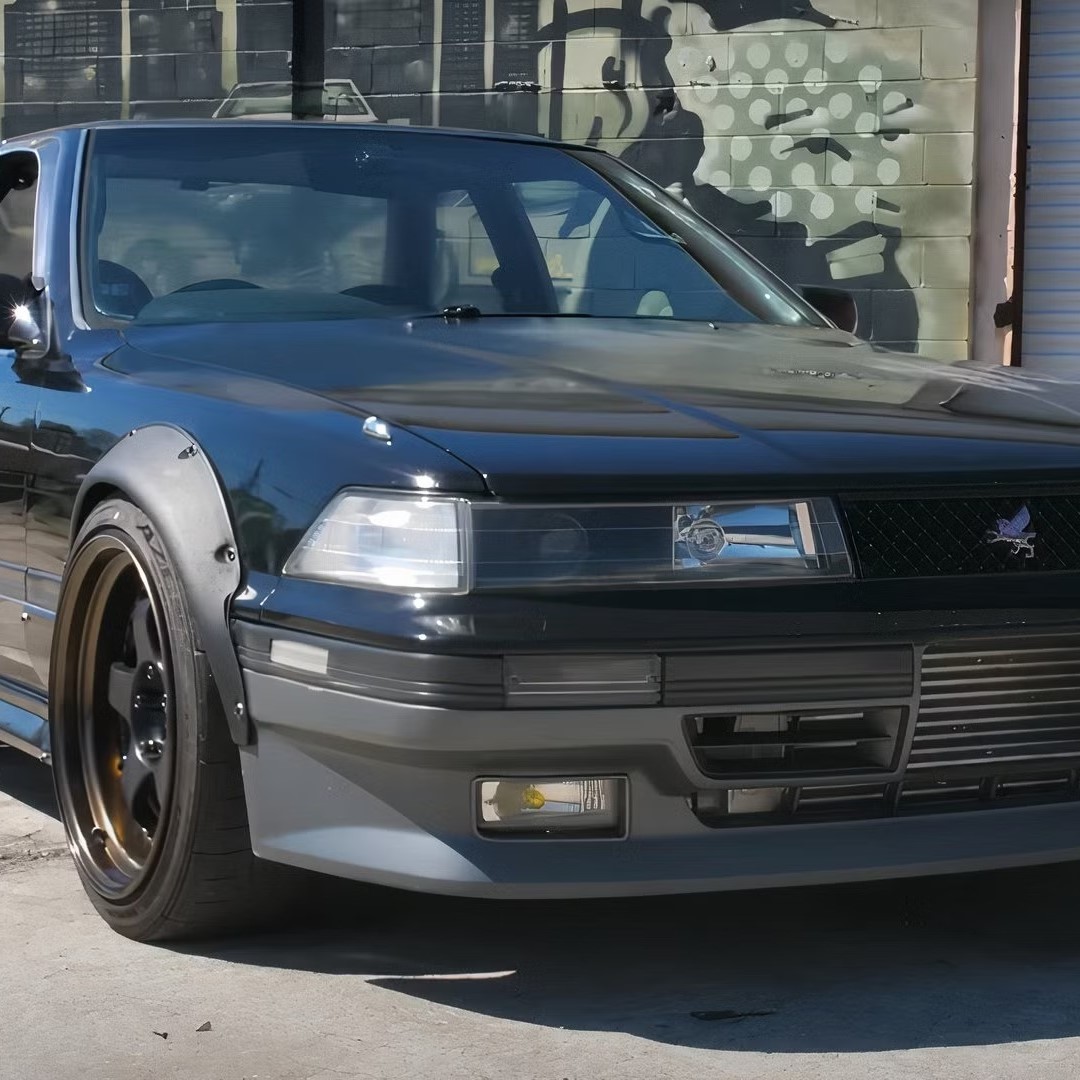
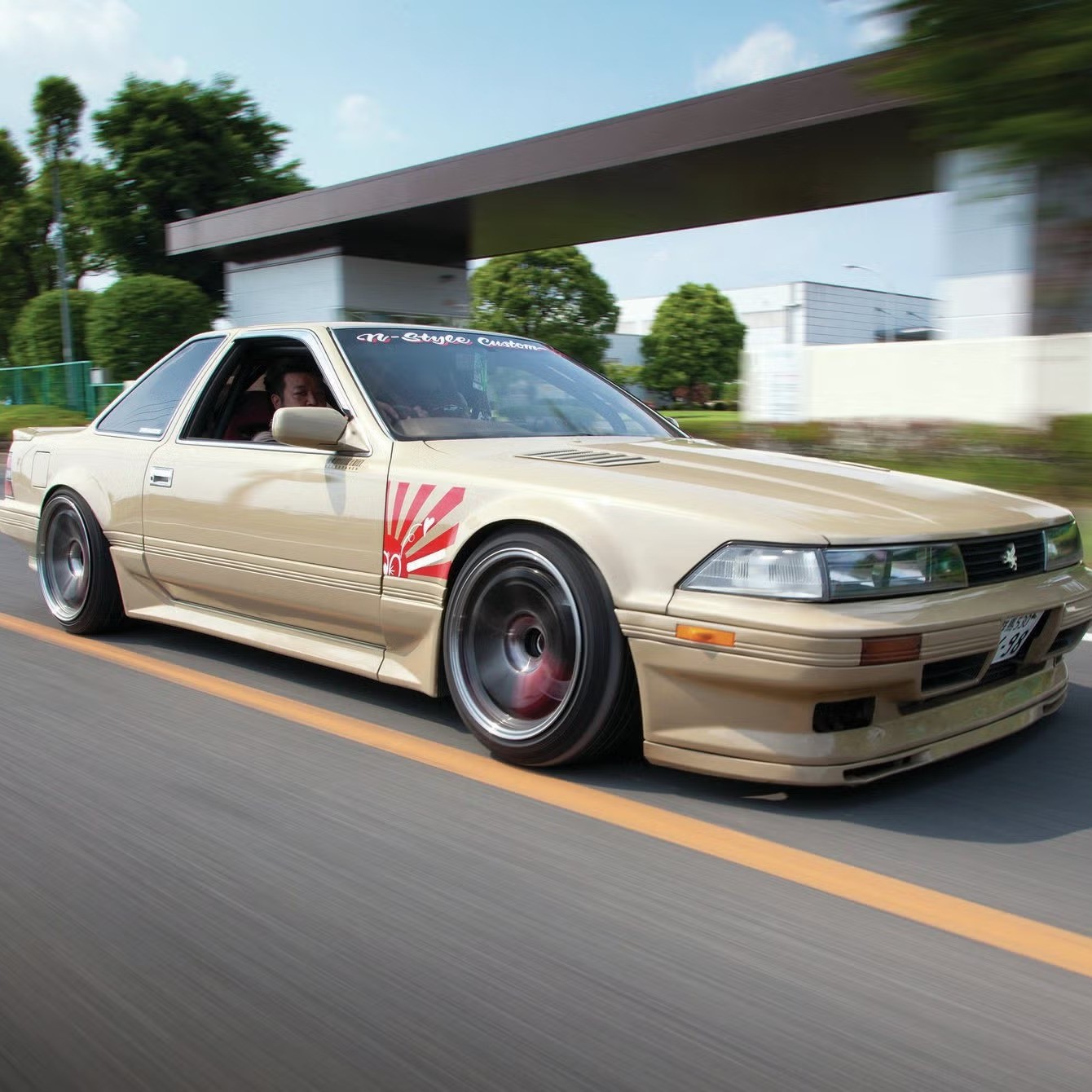
While many owners preserve the originality of the Toyota Soarer Z20, others customize it. Suspension lowering is one of the most common upgrades. Coilover kits allow adjustable ride height and damping. This improves handling without sacrificing comfort. Stiffer sway bars reduce body roll during cornering. Performance bushings sharpen steering response.
Engine swaps remain popular among tuners. The 2JZ-GTE from later Supras fits well with minor fabrication. This conversion delivers over 300 horsepower in stock form. With tuning, output climbs much higher. Supporting mods include intercoolers, exhausts, and ECU reflashing. Forced induction fans add blow-off valves and boost gauges.
Wheels and tires receive frequent updates. Modern staggered setups fill the fenders nicely. Low-profile rubber increases grip on dry roads. Brake upgrades include larger calipers and drilled rotors. Big brake kits improve stopping power significantly. Interior restorations bring worn cabins back to life. Seat reupholstery, wood refinishing, and gauge repair restore pride in ownership.
Lighting modernizations include HID or LED conversions. Headlight projectors improve beam focus. Taillight tinting gives a cleaner appearance. Audio systems upgrade to Bluetooth-enabled receivers. Backup cameras integrate discreetly. All these changes keep the Z20 relevant. Yet, they respect its original character.
 Maintenance Tips for Long-Term Ownership
Owning a Toyota Soarer Z20 requires regular upkeep. Start with oil changes every 3,000 to 5,000 miles. Use high-quality synthetic blend or full synthetic oil. Replace filters at each interval. Check coolant levels frequently. Flush the system every three years. Prevent overheating by inspecting hoses and belts regularly.
Electrical systems need attention. Test battery voltage monthly. Clean terminals to prevent corrosion. Inspect fuses related to climate control and gauges. Optitron displays may dim over time. Rebuilding them restores brightness. Window regulators wear out after decades. Lubricate tracks and motors annually.
Suspension components degrade slowly. Inspect ball joints, tie rods, and shocks. Listen for clunks or squeaks during driving. Replace bushings if cracked or loose. Steering racks last long but require fluid checks. Keep alignment within spec to avoid uneven tire wear.
Transmission fluid should be changed every 30,000 miles. Use genuine Toyota Type T-IV fluid. Filter replacements extend longevity. Monitor for slipping or harsh shifts. Address issues early before internal damage occurs. Keep records of all services. Documentation increases resale value. Proper care ensures your Toyota Soarer Z20 lasts another 30 years.
Frequently Asked Questions
Can I import a Toyota Soarer Z20 to my country? Yes, if it meets age and emissions requirements. Check local regulations first.
Is rust a problem with these cars? Rarely. Most were garaged and driven in dry regions.
Are spare parts easy to find? Many OEM parts are available online. Reproductions exist for trim and interior items.
What is the average price of a good-condition Z20? Prices vary. Expect 8,00015,000 depending on mileage and restoration level.
Does it have modern safety features? No. It lacks airbags and ABS in early models. Drive cautiously.
Can I use it as a daily driver? Yes. Reliability is strong with routine maintenance.
Are there clubs or communities for owners? Yes. Global forums and social media groups offer support.
How fast is the Z20? 0–60 mph takes about 8 seconds. Top speed exceeds 130 mph.
 Summary
The Toyota Soarer Z20 represents a golden era of Japanese automotive excellence. It blends luxury, engineering, and timeless design into one cohesive package. Whether admired for its technology, comfort, or classic looks, it continues to win new fans. Enthusiasts restore, modify, and cherish these vehicles as cultural icons. Their growing popularity reflects deeper appreciation for JDM heritage. For anyone seeking a unique classic with real usability, the Toyota Soarer Z20 stands out. It offers reliability, style, and a connection to automotive history. With proper care, it will remain a prized possession for generations. Finding the best example may take time. But owning a Toyota Soarer Z20 is worth every effort.