Choosing the right fly fishing rods weights is one of the most important decisions an angler can make. These weights determine how well your line loads the rod, affects casting distance, and influences accuracy on the water. Understanding this system helps both beginners and experienced fishermen improve their performance.
Moreover, fly fishing rods are labeled with weight classes like 3-weight or 6-weight. These numbers don’t refer to the physical heaviness of the rod. Instead, they match the weight of the fly line needed for optimal balance and control. Getting this pairing wrong leads to poor casts and frustration.
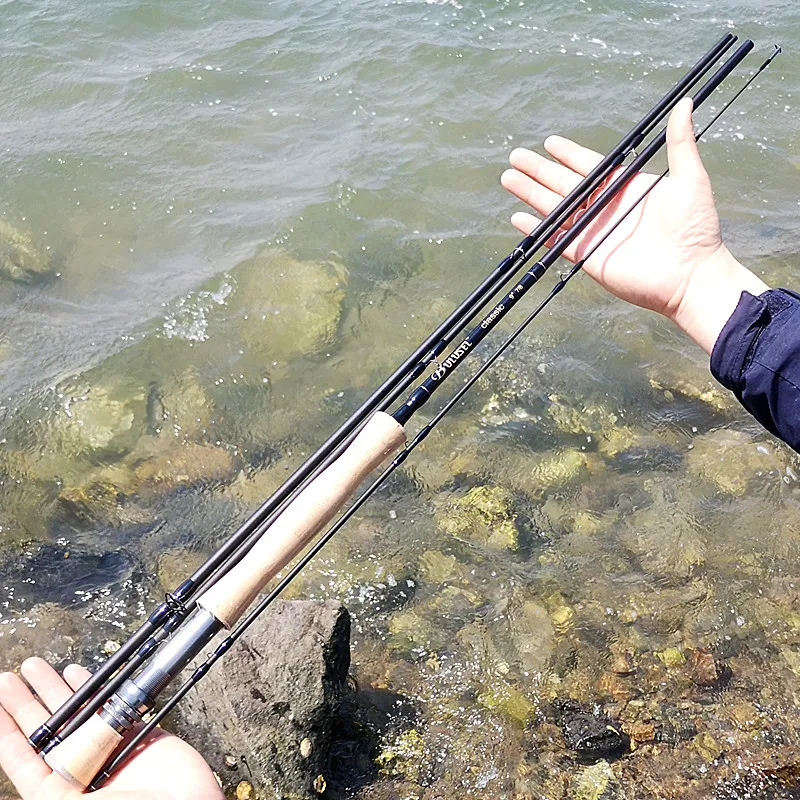 Why Fly Fishing Rods Weights Matter for Casting Success
The correct fly fishing rods weights ensure smooth energy transfer during a cast. When the rod and line work together, each movement feels fluid and efficient. This makes it easier to place flies gently on the water.
If the line is too light, the rod won’t load properly. You’ll feel stiffness and lack of response. The tip stays high and doesn’t flex as it should.
Matching Line Weight to Rod Performance
On the other hand, using a line that’s too heavy overloads the rod. This causes the tip to dip too much. It reduces sensitivity and increases fatigue over time.
A balanced setup allows the rod to bend at just the right point. Energy builds through the backcast and releases smoothly in the forward motion. This creates tight loops and long drifts.
For example, a 5-weight rod paired with a 5-weight line gives ideal flex. It supports roll casts, reach mends, and delicate presentations.
Anglers who fish different conditions often carry multiple rods. Switching between a 4-weight for small streams and a 7-weight for windy lakes improves results.
Understanding these dynamics turns guesswork into precision.
How the Fly Rod Weight System Works
Fly fishing rods weights follow a standardized scale from 0 to 12. Each number corresponds to the first 30 feet of fly line weight measured in grains.
For instance, a 4-weight line weighs around 130–140 grains. A 6-weight falls between 160–180 grains. This standardization helps anglers select compatible gear.
Understanding Grain Measurements and Labeling
Manufacturers print the recommended line weight directly on the rod blank. Look near the grip or along the lower section. It usually says something like “5wt” or “Use 6-weight line.”
Some rods are designed for a range, such as 5/6. This means they work well with either a 5 or 6-weight line. These offer flexibility for changing conditions.
Line tapers also affect performance. A weight-forward taper concentrates mass toward the front. This aids casting distance. Double-taper lines distribute weight evenly. They excel in short, precise casts.
Weight designations stay consistent across brands. A 7-weight from Orvis performs similarly to a 7-weight from Sage. This makes gear interchangeable.
Knowing this system prevents mismatches. It ensures you’re not fighting your equipment.
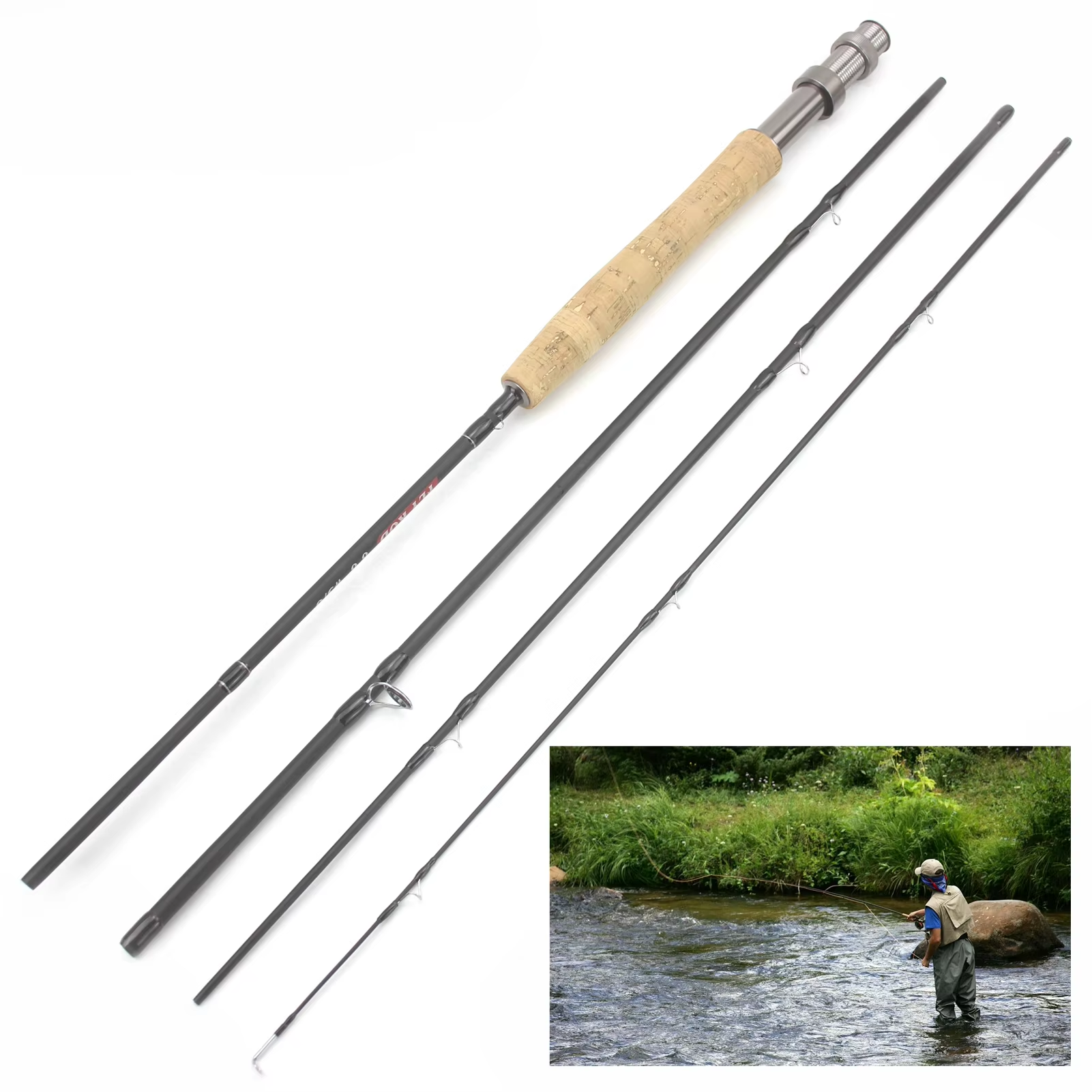 Choosing the Right Rods Weights by Target Species
Different fish require different setups. Smaller species need lighter rods. Larger, stronger fish demand heavier power. Selecting fly fishing rods weights based on your target improves success.
Trout in narrow mountain streams call for light tackle. A 2- or 3-weight rod delivers finesse. It protects delicate tippets and avoids spooking cautious fish.
From Tiny Brook Trout to Powerful Saltwater Gamefish
For average river trout, a 4- or 5-weight is ideal. It handles breezes and medium-sized dry flies. It also manages small nymph rigs without strain.
Bass and pike require more muscle. A 6- or 7-weight casts bulky poppers and weedless flies. It has enough backbone to turn big fish away from snags.
Steelhead and salmon often need 7- or 8-weight rods. These fish run hard and live in fast rivers. Heavier rods provide better line control and shock absorption.
Saltwater species like tarpon or permit demand 9- to 12-weight rods. These fight powerful currents and long-distance winds. They launch heavy sinking lines with authority.
Even within species, location matters. A calm spring creek trout needs less power than a wind-blown lake trout.
Matching your rod weight to your quarry makes every battle fairer.
Environmental Factors That Influence Your Choice of Rod Weight
Weather and terrain play a major role in selecting fly fishing rods weights. Wind, water size, and vegetation all affect casting efficiency.
In open fields or coastal flats, strong gusts push against your line. Light rods struggle here. A 6- or 7-weight cuts through wind better than a 4-weight.
Tight tree-lined streams limit backcast space. Short, quick motions work best. A lighter rod like a 3- or 4-weight allows subtle flicks under branches.
Fast-moving rivers need heavier lines to punch through current. A 5-weight may not load fully with a light line. Upgrading to a 6-weight solves this.
Deep pools require sinking lines. These are heavier than floating ones. A higher rod weight ensures proper loading and turnover.
Cold weather stiffens fly lines. They don’t unfurl as easily. Using a slightly heavier rod compensates for reduced flexibility.
Warm climates with calm waters favor lighter rods. Delicate presentation matters more than power.
Always assess the environment before choosing your gear.
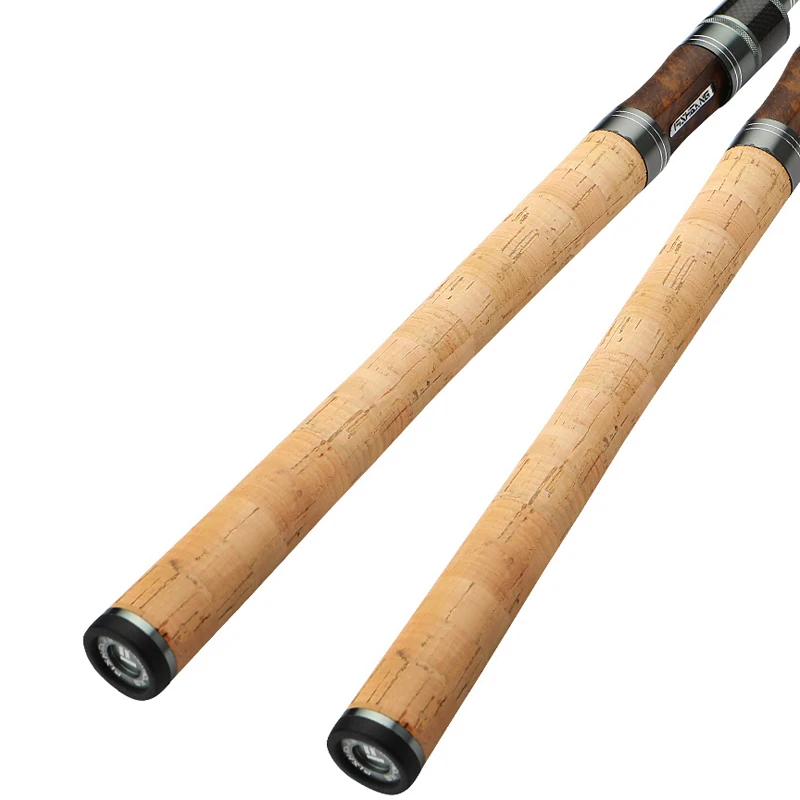 Differences Between Rod Materials and Their Impact on Weight Handling
Fly rods come in graphite, fiberglass, and composite blends. Each material responds differently to fly fishing rods weights. This changes how the rod feels and performs.
Graphite rods are stiff and responsive. They transmit vibrations clearly. These are great for detecting strikes with light lines.
Flexibility, Sensitivity, and Action Types
Fiberglass rods are slower and more flexible. They have a deep bend that absorbs surges. Many prefer them for 3- and 4-weight setups on small streams.
Composite rods blend materials. They balance speed and forgiveness. Some manufacturers tune them for specific line weights.
Rod action—fast, medium, or slow—affects casting rhythm. Fast-action rods load at the tip. They suit aggressive casters using 6-weights and up.
Medium-action rods bend deeper into the midsection. They pair well with 4- and 5-weight lines. They offer smoother energy transfer for beginners.
Slow-action rods feel soft and nostalgic. Often made of fiberglass, they shine with 2- and 3-weight lines. They create wide loops perfect for dry flies.
Your choice depends on casting style and preferred fishing method.
How to Test and Confirm Proper Rods Weights Pairing
Before heading out, test your rod and line combination. A simple cast reveals whether the setup works. This saves time and effort on the water.
Start by attaching the recommended line to your reel. Thread it through all guides. Use a leader of about 7–9 feet.
Casting Drills and Balance Checks
Make a few roll casts. Watch how the rod bends. It should flex smoothly from the middle to the tip. If it barely moves, the line is too light.
Next, try an overhead cast. Look for a clean loop formation. If the line crashes behind you, the rod may be overloaded.
Walk the line out slowly. Feel for vibration and feedback. A well-matched system transmits subtle movements.
Balance matters too. Hold the rod at the foregrip. It should rest horizontally, not tip forward or back.
Try switching lines if performance feels off. Some anglers use a 5-weight line on a 6-weight rod for softer presentations.
Real-world testing beats reading specs alone.
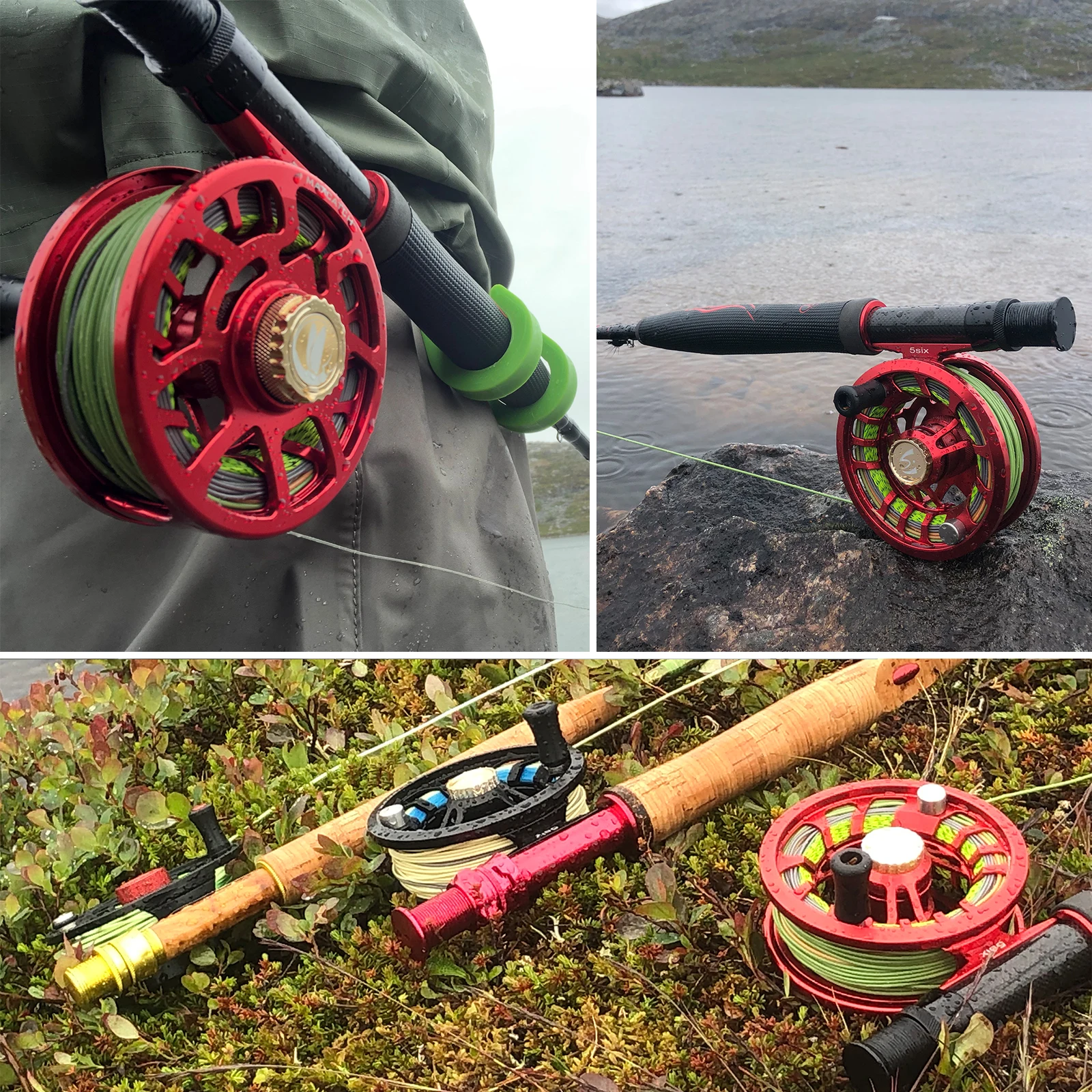 Where to Buy and Compare Quality Fly Fishing Rods
Finding the right rod starts with trusted sources. Specialty fly shops, outdoor retailers, and online marketplaces all offer quality options.
Local fly shops provide hands-on experience. Staff often demo rods in casting ponds. You can test different weights side by side.
Online Retailers, Brands, and Customer Reviews
Websites like Orvis, TFO, and REI list detailed specs. Filters help narrow by rod weight, length, and price. Customer reviews reveal real-world durability.
Amazon and eBay carry popular models. Check seller ratings and return policies. Avoid deals that seem too good to be true.
Brands like Sage, Redington, and Winston cater to various budgets. Entry-level rods perform well for learning. High-end models offer advanced technology.
Look for lifetime warranties. Many reputable brands replace broken rods no questions asked. This shows confidence in their build.
Consider renting first. Some outfitters let you try before buying. This helps confirm which fly fishing rods weights suit your style.
Smart shopping leads to lasting satisfaction.
Frequently Asked Questions
Can I use a 5-weight line on a 6-weight rod? Yes. Many do this for delicate presentations. It slightly reduces power but improves float.
Do rod weights include the reel? No. The weight refers only to the rod and matching line. Reel weight affects balance but not classification.
Are heavier rods harder to cast? Not necessarily. With proper technique, even 9-weights feel manageable. Practice builds strength.
Can women use lighter rods? Yes. Many female anglers prefer 3- to 5-weights. Gear choice depends on strength and preference, not gender.
Does temperature affect line weight? Indirectly. Cold makes lines stiffer. A slightly heavier rod may help compensate.
Can I fish a 4-weight in the wind? It’s challenging. Upgrade to a 5- or 6-weight for better control.
Do longer rods need heavier lines? Not always. Length and weight are separate factors. Match line to rod rating, not length.
Is there a universal rod weight? The 5-weight is closest. It handles most freshwater scenarios well.
 Final Thoughts
Mastering fly fishing rods weights is essential for any serious angler. It improves casting, enhances control, and increases catch rates. No matter your skill level, the right match makes all the difference.
From tiny brook trout to offshore giants, each situation demands attention to detail. With knowledge and practice, you’ll choose confidently every time.
In conclusion, investing time in understanding fly fishing rods weights pays off in smoother casts, happier fish, and more enjoyable days on the water. So grab your gear, test your setup, and cast with confidence—because the right weight leads to the right results.